How Sled Dogs Built Northern Civilizations
Jeff Davis | https://herdingdogcentral.com
 0
0 0
0 0
0 0
0 0
0
Anyone who has spent serious time around working dogs knows one plain truth: a good dog does more than help with chores. A good dog changes what a person can do, where a family can live, and how a community survives. In the North, where winter can lock up the land for months and a hard wind can strip a man down to his backbone, sled dogs were never just animals tied to a line. They were transportation, freight power, hunting partners, trail finders, and, in a very real sense, builders of civilization.
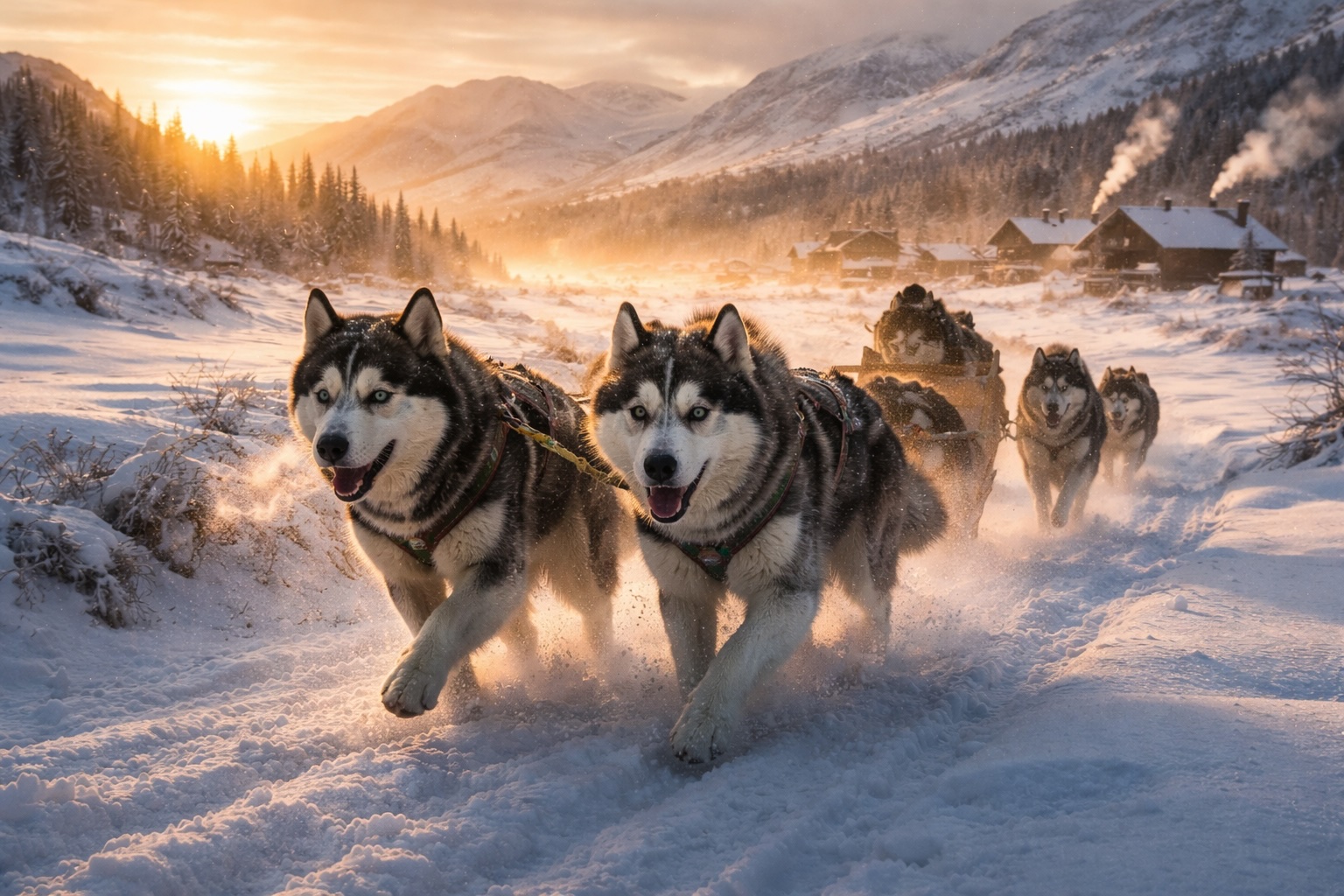
Folks today often picture sled dogs through the lens of racing, bright harnesses, and famous long-distance runs. That is part of the story, but it is not the heart of it. The deeper truth is older, rougher, and more important. For thousands of years across Arctic and sub-Arctic country, dog teams made northern settlement possible. They linked camps, moved food, pulled fuel, carried furs, and gave people a fighting chance against distance and weather that would stop most animals and machines cold.
The North Was Never Empty Land
When people talk about the North, they sometimes make the mistake of speaking as though it was an open blank waiting to be conquered. That kind of talk usually comes from people who have never watched how land teaches you humility. Northern regions were home to skilled, adaptive cultures long before modern maps and southern trade routes reached them. Indigenous peoples across Alaska, Canada, Greenland, Siberia, and Scandinavia developed ways of living with ice, snow, sea, caribou, fish, and dark winters. Sled dogs fit into that world not as decoration, but as one of the strongest tools of survival ever bred alongside man.
In country where roads disappeared under snow or never existed at all, the dog team became the moving backbone of society. A team could travel where wheeled carts could not. It could cross sea ice, packed snow, river systems, and narrow winter trails through timber. That meant food could be moved, hunters could range farther, and settlements did not have to remain isolated to the point of collapse. Civilization, at its bones, depends on movement. Sled dogs supplied that movement.
Dogs Turned Distance Into Reach
One of the hardest things for modern people to grasp is what distance means without engines. Twenty miles on a winter road with a heated truck is one thing. Twenty miles through deep cold, over drifted ground, with supplies on your back is another matter entirely. Add a second day, a headwind, and failing light, and now you understand why sled dogs mattered so much.
A trained dog team turned impossible trips into hard but manageable work. That difference built northern civilizations. Villages could trade with one another. Trappers could bring out pelts. Hunters could haul meat home before spoilage or scavengers took it. Families could move camp with their goods, bedding, tools, and children. A region stops being a string of isolated survival points and starts becoming a connected human network when travel becomes dependable. Sled dogs made that connection dependable.
Freight, Food, and Fuel
If you want to know what truly builds a settlement, look past grand stories and pay attention to weight. Weight is what breaks people in hard country. Meat is heavy. Fish is heavy. Firewood is heavy. Sealskins, traps, shelter poles, mail sacks, trade goods, and water all have weight. A dog team multiplies what human beings can carry over winter terrain, and that changes everything.
Communities with reliable dog power could gather more food, store more supplies, and support more people through lean times. They could move necessities between camps and seasonal grounds. In a place where starvation was never far from the edge of life, that hauling power was not convenience. It was security.
Trade Routes Followed the Dog Team
Northern economies were shaped by trails long before they were shaped by roads. Fur trade posts, coastal camps, inland villages, and hunting grounds were all stitched together by routes made workable through dog travel. Once regular transport became possible, exchange followed. Furs moved outward. Ammunition, tools, flour, tea, cloth, and metal goods moved inward. Ideas and news moved with them.
I have always believed that dogs, whether herding stock in rough pasture or pulling freight in winter, do something beyond labor. They widen the horizon of a household. Sled dogs did that on a civilizational scale. They increased the radius of trade, and trade increased stability. Stable exchange supports permanent or semi-permanent settlements. From there come stronger community ties, better winter planning, and more durable social structures.
That does not mean life became easy. Northern life has never been easy. But the dog team gave people a margin, and a margin often marks the line between endurance and disaster.
Communication Rode Behind the Lead Dog
Before radio became common and before aircraft took over much of the long-haul work, communication in the North often depended on dogs. Mail routes stretched across snow country. News of births, deaths, shortages, storms, and sickness traveled by sled. Officials, traders, missionaries, and local travelers all relied on dog teams to carry information between scattered communities.
It is hard to overstate what that means. Civilization is not just built on food and tools. It is built on communication. A settlement cut off completely is a settlement living one bad season away from catastrophe. A settlement tied into a communication network can ask for help, warn its neighbors, and participate in a larger social world. Sled dogs carried more than cargo. They carried continuity.
The Famous Journeys Were Only the Visible Tip
People remember dramatic stories because they should. The serum run to Nome deserves every ounce of respect it gets. But focusing only on famous emergencies can hide the everyday truth. Heroic runs were possible because ordinary hauling had already proven what dog teams could do year after year. Quiet freight trips, mail runs, and subsistence travel built the real foundation. Northern civilization stood on routine work done in bitter weather by dogs tough enough to lean into a breast collar and keep moving.
Breeding, Handling, and Trust Made the Difference
No working dog becomes valuable by accident. Whether you are talking about a border collie gathering sheep on a hill face or a freight dog driving forward in deep cold, generations of selection matter. So does handling. Northern peoples and later settlers bred dogs for endurance, foot toughness, weather resistance, appetite, judgment, and willingness to work in a team. A flashy dog that quits when conditions turn ugly is no asset. A plain dog with a big heart and a steady mind is worth his keep and then some.
That part ought to ring true for readers who love herding dogs. Good working dogs are thinkers. They read ground, weather, livestock, and people. Sled dogs did much the same in their own world. A seasoned lead dog could find a drifted trail, avoid weak ice, sense a turn in weather, and keep the team honest when every muscle in the line was tiring. Men drove the sled, but smart dogs often saved the day.
There is a bond that forms when your safety depends on an animal doing honest work under pressure. It is not sentimental, though affection surely comes into it. It is deeper than that. It is respect earned in miles.
Sled Dogs Supported Hunting and Seasonal Life
From a hunter's point of view, the value of sled dogs is plain as frost on a rifle barrel. They extended hunting range and improved the odds that harvested game could be brought home efficiently. In northern regions, success in the field was only half the battle. Retrieval mattered. Transport mattered. Preserving energy mattered. A dog team let hunters move traps, return with meat, and relocate according to seasonal game patterns without burning themselves out before the real work even started.
That flexibility shaped settlement patterns. People could maintain ties between seasonal camps and larger winter communities. They could exploit different food sources across wider country. They could live with the land rather than be pinned helplessly to one narrow patch of it. That sort of mobility is one of the hidden engines of northern civilization.
What Changed When Machines Arrived
Snowmachines, aircraft, and modern roads changed the North in a hurry. They moved heavier loads faster and covered country that once took days in a fraction of the time. Still, the arrival of machines did not erase what sled dogs had already built. Towns, routes, trade habits, communication patterns, and regional relationships had been established through generations of dog travel. In many places, dogs laid the first practical transportation network.
Even after machines arrived, many northern residents kept dog teams because dogs offered advantages engines still cannot always match. Dogs do not need fuel dropped in from elsewhere. They can travel in conditions that strand machinery. They are quieter, often safer on certain terrain, and tied to a way of life built on skill rather than replacement parts. In remote country, old tools hang on when they still make sense.
Why This Story Matters to Modern Dog Owners
For dog owners interested in herding breeds and other working dogs, the story of sled dogs is more than history. It is a reminder of what dogs were developed to do alongside people. Too many folks today see working ability as a charming extra, something secondary to looks or trend. Northern civilizations tell a different story. There, function was life itself. Endurance, intelligence, biddability, toughness, and partnership were not luxuries. They were essential traits that shaped communities.
That lesson still matters whether your dog gathers sheep, watches the yard, hikes mountain trails, or simply lives in your home with a strong instinct to work. Dogs thrive when we understand their purpose. The people who depended on sled dogs understood that better than most. They respected the animal's strengths, asked for honest labor, and repaid it with care and reliance. That is the old contract between working dog and human, and it remains as sound now as it was on the winter trails.
The Legacy Left in the Snow
If you strip away the romance and look squarely at the facts, sled dogs helped build northern civilizations by making movement, trade, communication, hunting, and settlement possible in some of the harshest country on earth. They turned distance into connection. They turned burden into manageable work. They gave families and communities the means to live not just season to season, but across generations.
That is a legacy worth remembering. Not because it belongs to the past, but because it speaks to something timeless about dogs and people. A strong dog with a clear job can alter the fate of a household. In the North, whole civilizations were shaped by that truth. And any man or woman who has ever trusted a working dog to do real work will understand exactly why.
Folks today often picture sled dogs through the lens of racing, bright harnesses, and famous long-distance runs. That is part of the story, but it is not the heart of it. The deeper truth is older, rougher, and more important. For thousands of years across Arctic and sub-Arctic country, dog teams made northern settlement possible. They linked camps, moved food, pulled fuel, carried furs, and gave people a fighting chance against distance and weather that would stop most animals and machines cold.
The North Was Never Empty Land
When people talk about the North, they sometimes make the mistake of speaking as though it was an open blank waiting to be conquered. That kind of talk usually comes from people who have never watched how land teaches you humility. Northern regions were home to skilled, adaptive cultures long before modern maps and southern trade routes reached them. Indigenous peoples across Alaska, Canada, Greenland, Siberia, and Scandinavia developed ways of living with ice, snow, sea, caribou, fish, and dark winters. Sled dogs fit into that world not as decoration, but as one of the strongest tools of survival ever bred alongside man.
In country where roads disappeared under snow or never existed at all, the dog team became the moving backbone of society. A team could travel where wheeled carts could not. It could cross sea ice, packed snow, river systems, and narrow winter trails through timber. That meant food could be moved, hunters could range farther, and settlements did not have to remain isolated to the point of collapse. Civilization, at its bones, depends on movement. Sled dogs supplied that movement.
Dogs Turned Distance Into Reach
One of the hardest things for modern people to grasp is what distance means without engines. Twenty miles on a winter road with a heated truck is one thing. Twenty miles through deep cold, over drifted ground, with supplies on your back is another matter entirely. Add a second day, a headwind, and failing light, and now you understand why sled dogs mattered so much.
A trained dog team turned impossible trips into hard but manageable work. That difference built northern civilizations. Villages could trade with one another. Trappers could bring out pelts. Hunters could haul meat home before spoilage or scavengers took it. Families could move camp with their goods, bedding, tools, and children. A region stops being a string of isolated survival points and starts becoming a connected human network when travel becomes dependable. Sled dogs made that connection dependable.
Freight, Food, and Fuel
If you want to know what truly builds a settlement, look past grand stories and pay attention to weight. Weight is what breaks people in hard country. Meat is heavy. Fish is heavy. Firewood is heavy. Sealskins, traps, shelter poles, mail sacks, trade goods, and water all have weight. A dog team multiplies what human beings can carry over winter terrain, and that changes everything.
Communities with reliable dog power could gather more food, store more supplies, and support more people through lean times. They could move necessities between camps and seasonal grounds. In a place where starvation was never far from the edge of life, that hauling power was not convenience. It was security.
Trade Routes Followed the Dog Team
Northern economies were shaped by trails long before they were shaped by roads. Fur trade posts, coastal camps, inland villages, and hunting grounds were all stitched together by routes made workable through dog travel. Once regular transport became possible, exchange followed. Furs moved outward. Ammunition, tools, flour, tea, cloth, and metal goods moved inward. Ideas and news moved with them.
I have always believed that dogs, whether herding stock in rough pasture or pulling freight in winter, do something beyond labor. They widen the horizon of a household. Sled dogs did that on a civilizational scale. They increased the radius of trade, and trade increased stability. Stable exchange supports permanent or semi-permanent settlements. From there come stronger community ties, better winter planning, and more durable social structures.
That does not mean life became easy. Northern life has never been easy. But the dog team gave people a margin, and a margin often marks the line between endurance and disaster.
Communication Rode Behind the Lead Dog
Before radio became common and before aircraft took over much of the long-haul work, communication in the North often depended on dogs. Mail routes stretched across snow country. News of births, deaths, shortages, storms, and sickness traveled by sled. Officials, traders, missionaries, and local travelers all relied on dog teams to carry information between scattered communities.
It is hard to overstate what that means. Civilization is not just built on food and tools. It is built on communication. A settlement cut off completely is a settlement living one bad season away from catastrophe. A settlement tied into a communication network can ask for help, warn its neighbors, and participate in a larger social world. Sled dogs carried more than cargo. They carried continuity.
The Famous Journeys Were Only the Visible Tip
People remember dramatic stories because they should. The serum run to Nome deserves every ounce of respect it gets. But focusing only on famous emergencies can hide the everyday truth. Heroic runs were possible because ordinary hauling had already proven what dog teams could do year after year. Quiet freight trips, mail runs, and subsistence travel built the real foundation. Northern civilization stood on routine work done in bitter weather by dogs tough enough to lean into a breast collar and keep moving.
Breeding, Handling, and Trust Made the Difference
No working dog becomes valuable by accident. Whether you are talking about a border collie gathering sheep on a hill face or a freight dog driving forward in deep cold, generations of selection matter. So does handling. Northern peoples and later settlers bred dogs for endurance, foot toughness, weather resistance, appetite, judgment, and willingness to work in a team. A flashy dog that quits when conditions turn ugly is no asset. A plain dog with a big heart and a steady mind is worth his keep and then some.
That part ought to ring true for readers who love herding dogs. Good working dogs are thinkers. They read ground, weather, livestock, and people. Sled dogs did much the same in their own world. A seasoned lead dog could find a drifted trail, avoid weak ice, sense a turn in weather, and keep the team honest when every muscle in the line was tiring. Men drove the sled, but smart dogs often saved the day.
There is a bond that forms when your safety depends on an animal doing honest work under pressure. It is not sentimental, though affection surely comes into it. It is deeper than that. It is respect earned in miles.
Sled Dogs Supported Hunting and Seasonal Life
From a hunter's point of view, the value of sled dogs is plain as frost on a rifle barrel. They extended hunting range and improved the odds that harvested game could be brought home efficiently. In northern regions, success in the field was only half the battle. Retrieval mattered. Transport mattered. Preserving energy mattered. A dog team let hunters move traps, return with meat, and relocate according to seasonal game patterns without burning themselves out before the real work even started.
That flexibility shaped settlement patterns. People could maintain ties between seasonal camps and larger winter communities. They could exploit different food sources across wider country. They could live with the land rather than be pinned helplessly to one narrow patch of it. That sort of mobility is one of the hidden engines of northern civilization.
What Changed When Machines Arrived
Snowmachines, aircraft, and modern roads changed the North in a hurry. They moved heavier loads faster and covered country that once took days in a fraction of the time. Still, the arrival of machines did not erase what sled dogs had already built. Towns, routes, trade habits, communication patterns, and regional relationships had been established through generations of dog travel. In many places, dogs laid the first practical transportation network.
Even after machines arrived, many northern residents kept dog teams because dogs offered advantages engines still cannot always match. Dogs do not need fuel dropped in from elsewhere. They can travel in conditions that strand machinery. They are quieter, often safer on certain terrain, and tied to a way of life built on skill rather than replacement parts. In remote country, old tools hang on when they still make sense.
Why This Story Matters to Modern Dog Owners
For dog owners interested in herding breeds and other working dogs, the story of sled dogs is more than history. It is a reminder of what dogs were developed to do alongside people. Too many folks today see working ability as a charming extra, something secondary to looks or trend. Northern civilizations tell a different story. There, function was life itself. Endurance, intelligence, biddability, toughness, and partnership were not luxuries. They were essential traits that shaped communities.
That lesson still matters whether your dog gathers sheep, watches the yard, hikes mountain trails, or simply lives in your home with a strong instinct to work. Dogs thrive when we understand their purpose. The people who depended on sled dogs understood that better than most. They respected the animal's strengths, asked for honest labor, and repaid it with care and reliance. That is the old contract between working dog and human, and it remains as sound now as it was on the winter trails.
The Legacy Left in the Snow
If you strip away the romance and look squarely at the facts, sled dogs helped build northern civilizations by making movement, trade, communication, hunting, and settlement possible in some of the harshest country on earth. They turned distance into connection. They turned burden into manageable work. They gave families and communities the means to live not just season to season, but across generations.
That is a legacy worth remembering. Not because it belongs to the past, but because it speaks to something timeless about dogs and people. A strong dog with a clear job can alter the fate of a household. In the North, whole civilizations were shaped by that truth. And any man or woman who has ever trusted a working dog to do real work will understand exactly why.




View all 0 comments