Draft Dogs in Modern Homesteading
Strength, Purpose, and the Working Bond
Jeff Davis | https://herdingdogcentral.com
 0
0 0
0 0
0 0
0 0
0
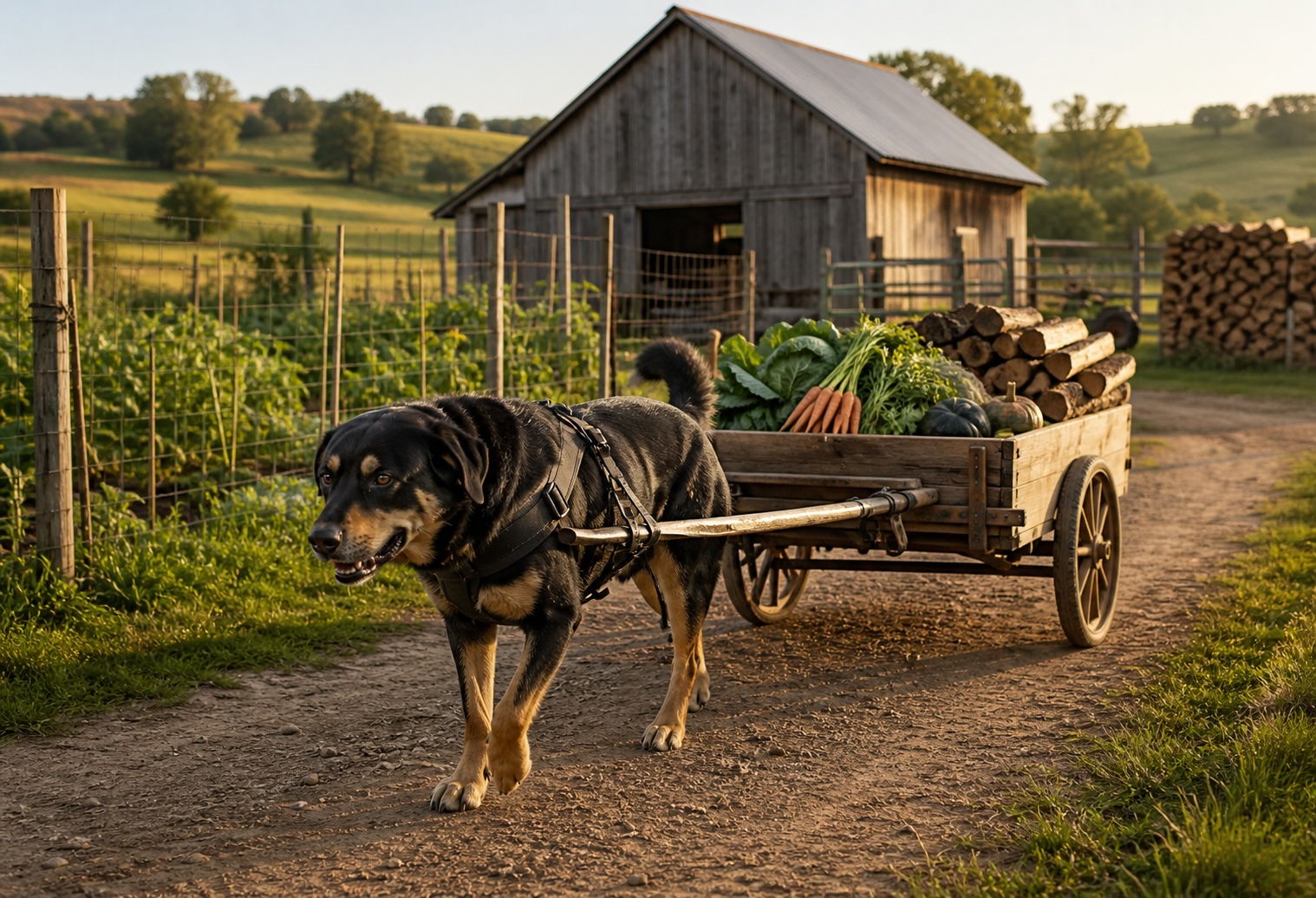
There is something deeply satisfying about watching a good dog lean into a harness and settle into honest work. It is not just nostalgia, and it is not a novelty for folks dressing up old farm traditions. On a working place, even a small one, a draft dog can still earn its keep. I have spent enough years around working dogs to know that most of them want a job, not just exercise, and pulling a cart or freight rig can give the right dog exactly that kind of purpose.
Modern homesteading tends to mix old methods with practical new thinking. Folks may use a side-by-side for heavy hauling and still keep a hand pump by the well. In that same spirit, draft dogs are finding a place again. They are not replacements for tractors or pickups, and no sensible person pretends they are. What they offer is something different: quiet power, daily utility, and a kind of teamwork that sharpens both the dog and the handler.
Why Draft Dogs Still Matter on Today’s Homestead
On a modest homestead, chores come in steady waves. Firewood needs moving. Feed sacks need hauling from one building to another. Garden harvests must come in before weather turns. Fence tools, water cans, kindling, and supplies all seem to need carrying at once. A trained draft dog can handle many of those smaller but constant jobs, especially where terrain, mud, snow, or narrow paths make machinery inconvenient.
I have seen dogs pull split wood from a back lot, bring produce in from the garden, and cart tools down a fence line with the kind of calm focus that makes a man grin without realizing it. The advantage is not just muscle. It is efficiency. A willing dog that understands the routine can turn repetitive hauling into a smooth part of the day.
For homesteaders who value self-reliance, draft work also fits the spirit of using what you have wisely. A well-conditioned dog eats less than a machine burns, asks for no fuel beyond proper feed and care, and is ready to work in places where engines bog down or noise feels out of place. That matters more than some people think.
The Best Kind of Dog for Draft Work
Not every dog is suited to pulling, and that truth needs saying early. Good draft dogs are built for the job in body and mind. They need sound structure, steady temperament, willingness to work, and enough size and conditioning to pull safely. Breeds with herding or guardian roots can sometimes adapt well, especially those known for strength, biddability, and endurance. For readers interested in herding dogs, some larger, sturdier individuals from those lines may take to draft training beautifully if they have the right frame and attitude.
That said, breed names alone do not make a draft dog. I would rather trust a sound, level-headed dog of moderate power than a giant animal with poor joints or a soft mind. The best candidates carry themselves with confidence, respond well to direction, and do not rattle when something bumps, rattles, or rolls behind them. A cart makes noise. Wheels catch on stones. Harness traces tighten and slacken. A dog that spooks under pressure has no business in shafts or traces until that issue is thoroughly addressed.
Temperament Matters More Than Romance
Too many people get drawn to the image before they consider the demands. Draft work is not a costume. It asks for patience, control, and a dog that can think while moving under load. You want a calm worker, not a reckless one. The dog should be attentive but not frantic, responsive but not nervy. In the field and on the farm, flashy excitement burns hot and fades fast. Steady dogs are the ones that keep showing up.
Training a Draft Dog the Right Way
Good draft training begins long before a dog ever pulls real weight. First comes obedience, and I mean reliable obedience, not commands that work only in the yard when nothing is going on. A draft dog should stop, stand, turn, back, and move forward on cue. That foundation keeps the work safe. Once the dog understands direction and restraint, you can introduce harness work slowly and with common sense.
The first sessions should feel almost boring. Let the dog wear the harness, walk in it, and learn that straps and pressure are nothing to fear. Then progress to dragging something light and quiet, then light and noisy, then eventually a properly balanced cart or small load. If a man rushes this stage, the dog usually tells on him sooner or later. The ones trained carefully settle into the work. The ones pushed too fast often grow wary, brace against the harness wrong, or begin to anticipate trouble.
One thing years around working dogs has taught me is that confidence grows in layers. A dog that has calmly dragged a trace, then hauled an empty rig, then pulled a light practical load is building understanding every step of the way. By the time that dog is useful, the work feels familiar rather than forced.
Conditioning and Physical Readiness
Pulling is athletic work. Even strong dogs need conditioning, and young dogs should never be loaded before their bodies are mature and cleared for that kind of effort. Joint health, foot condition, body weight, and general fitness all matter. A soft, overweight dog in a harness is a recipe for strain and disappointment. A fit dog with strong feet, lean muscle, and gradual training will work longer and stay sounder.
Harness fit is just as important as conditioning. Poor fit can rub skin raw, restrict movement, or throw pressure into the wrong places. A proper draft harness should distribute load safely and allow the dog to pull cleanly through the chest and shoulders. If the setup looks awkward, it probably is.
Practical Uses for Draft Dogs Around the Homestead
The best homestead work for draft dogs is steady, moderate, and meaningful. Bringing in garden produce is a natural fit. So is hauling small wood loads, feed, bedding, hand tools, sap buckets, fencing gear, or water containers over short to moderate distances. In winter country, a dog that can pull a sled with firewood or supplies becomes more than useful. It becomes part of the daily rhythm of the place.
I have always believed dogs thrive when their work connects to a real outcome. A dog that hauls a basket of squash from the lower garden to the porch, or drags kindling from the shed to the house, starts to fit into the routine in a way that idle pets never quite do. You can almost see the dog settle into its role. It knows where the path goes. It recognizes the harness. It understands that the job matters.
There is a caution here, though. Draft dogs are for manageable chores, not ego. They should not be overloaded or used to prove some point online. Smart handlers think in terms of sustainable work, safe footing, weather, rest, and hydration. Good work leaves a dog tired in a satisfied way, not sore or stressed.
Draft Work and Herding Dogs: A Natural Crossover?
For owners of herding dogs, draft work can be an excellent outlet when done with the right dog. Many herding breeds carry a deep instinct to partner with people and stay engaged in structured tasks. That makes them trainable and rewarding in harness if their build supports the work. Some individuals that are too intense for a purely idle house life become far more balanced when given a job with rules and repetition.
It is not exactly the same as herding, of course. Herding asks for control over stock, reading movement, and using pressure with precision. Draft work asks for steadiness, forward effort, and tolerance of equipment and resistance. But both reward communication and trust. A dog that learns to listen closely in one kind of work often improves in the other.
That crossover is one reason draft work deserves more attention from the herding dog community. It offers a practical way to keep capable dogs mentally engaged, especially on homesteads where there may not always be enough livestock work to satisfy them every day.
Common Mistakes New Handlers Make
The most common mistake is trying to do too much too soon. The next is treating draft work like a parade trick instead of a discipline. If the dog lacks obedience, confidence, or conditioning, more gear will not fix it. Another mistake is skipping the details that matter, such as proper harness fit, careful introduction to noise and movement, and teaching the dog to stand quietly while being hitched and unhitched.
Weather gets overlooked too. Heat can tax a pulling dog quickly, especially under load. Rough ground can punish feet and joints. Mud and ice can turn a routine haul into a dangerous one in a hurry. The best handlers read conditions honestly and adjust the work to suit the day.
And then there is expectation. Some folks imagine a dog will transform the homestead overnight. It will not. What it can do is take on selected jobs with grace and consistency, while deepening the bond between dog and owner in the process.
The Real Value of a Working Draft Dog
At the end of the day, the value of a draft dog is not measured only in pounds pulled or chores completed. It is measured in usefulness, in routine, and in the old-fashioned satisfaction of seeing a dog do what it was prepared to do. On a modern homestead, where every tool and every animal ought to have a purpose, a trained draft dog can still hold an honest place.
There is a particular quiet to those moments after a job is done. The cart is unhitched. The dog shakes itself, takes a drink, and stands there with that look working dogs get when they know they have done something worthwhile. If you have spent enough time around them, you recognize it immediately. It is the same look a good dog carries after a clean gather, a long track, or a hard day afield. Purpose suits them.
That is why draft dogs still matter. Not because the world has stood still, but because some truths have not changed. A sound dog, a fitted harness, a clear command, and a meaningful task still make a fine partnership. And on the right homestead, that partnership is about as practical as anything a person can ask for.
Modern homesteading tends to mix old methods with practical new thinking. Folks may use a side-by-side for heavy hauling and still keep a hand pump by the well. In that same spirit, draft dogs are finding a place again. They are not replacements for tractors or pickups, and no sensible person pretends they are. What they offer is something different: quiet power, daily utility, and a kind of teamwork that sharpens both the dog and the handler.
Why Draft Dogs Still Matter on Today’s Homestead
On a modest homestead, chores come in steady waves. Firewood needs moving. Feed sacks need hauling from one building to another. Garden harvests must come in before weather turns. Fence tools, water cans, kindling, and supplies all seem to need carrying at once. A trained draft dog can handle many of those smaller but constant jobs, especially where terrain, mud, snow, or narrow paths make machinery inconvenient.
I have seen dogs pull split wood from a back lot, bring produce in from the garden, and cart tools down a fence line with the kind of calm focus that makes a man grin without realizing it. The advantage is not just muscle. It is efficiency. A willing dog that understands the routine can turn repetitive hauling into a smooth part of the day.
For homesteaders who value self-reliance, draft work also fits the spirit of using what you have wisely. A well-conditioned dog eats less than a machine burns, asks for no fuel beyond proper feed and care, and is ready to work in places where engines bog down or noise feels out of place. That matters more than some people think.
The Best Kind of Dog for Draft Work
Not every dog is suited to pulling, and that truth needs saying early. Good draft dogs are built for the job in body and mind. They need sound structure, steady temperament, willingness to work, and enough size and conditioning to pull safely. Breeds with herding or guardian roots can sometimes adapt well, especially those known for strength, biddability, and endurance. For readers interested in herding dogs, some larger, sturdier individuals from those lines may take to draft training beautifully if they have the right frame and attitude.
That said, breed names alone do not make a draft dog. I would rather trust a sound, level-headed dog of moderate power than a giant animal with poor joints or a soft mind. The best candidates carry themselves with confidence, respond well to direction, and do not rattle when something bumps, rattles, or rolls behind them. A cart makes noise. Wheels catch on stones. Harness traces tighten and slacken. A dog that spooks under pressure has no business in shafts or traces until that issue is thoroughly addressed.
Temperament Matters More Than Romance
Too many people get drawn to the image before they consider the demands. Draft work is not a costume. It asks for patience, control, and a dog that can think while moving under load. You want a calm worker, not a reckless one. The dog should be attentive but not frantic, responsive but not nervy. In the field and on the farm, flashy excitement burns hot and fades fast. Steady dogs are the ones that keep showing up.
Training a Draft Dog the Right Way
Good draft training begins long before a dog ever pulls real weight. First comes obedience, and I mean reliable obedience, not commands that work only in the yard when nothing is going on. A draft dog should stop, stand, turn, back, and move forward on cue. That foundation keeps the work safe. Once the dog understands direction and restraint, you can introduce harness work slowly and with common sense.
The first sessions should feel almost boring. Let the dog wear the harness, walk in it, and learn that straps and pressure are nothing to fear. Then progress to dragging something light and quiet, then light and noisy, then eventually a properly balanced cart or small load. If a man rushes this stage, the dog usually tells on him sooner or later. The ones trained carefully settle into the work. The ones pushed too fast often grow wary, brace against the harness wrong, or begin to anticipate trouble.
One thing years around working dogs has taught me is that confidence grows in layers. A dog that has calmly dragged a trace, then hauled an empty rig, then pulled a light practical load is building understanding every step of the way. By the time that dog is useful, the work feels familiar rather than forced.
Conditioning and Physical Readiness
Pulling is athletic work. Even strong dogs need conditioning, and young dogs should never be loaded before their bodies are mature and cleared for that kind of effort. Joint health, foot condition, body weight, and general fitness all matter. A soft, overweight dog in a harness is a recipe for strain and disappointment. A fit dog with strong feet, lean muscle, and gradual training will work longer and stay sounder.
Harness fit is just as important as conditioning. Poor fit can rub skin raw, restrict movement, or throw pressure into the wrong places. A proper draft harness should distribute load safely and allow the dog to pull cleanly through the chest and shoulders. If the setup looks awkward, it probably is.
Practical Uses for Draft Dogs Around the Homestead
The best homestead work for draft dogs is steady, moderate, and meaningful. Bringing in garden produce is a natural fit. So is hauling small wood loads, feed, bedding, hand tools, sap buckets, fencing gear, or water containers over short to moderate distances. In winter country, a dog that can pull a sled with firewood or supplies becomes more than useful. It becomes part of the daily rhythm of the place.
I have always believed dogs thrive when their work connects to a real outcome. A dog that hauls a basket of squash from the lower garden to the porch, or drags kindling from the shed to the house, starts to fit into the routine in a way that idle pets never quite do. You can almost see the dog settle into its role. It knows where the path goes. It recognizes the harness. It understands that the job matters.
There is a caution here, though. Draft dogs are for manageable chores, not ego. They should not be overloaded or used to prove some point online. Smart handlers think in terms of sustainable work, safe footing, weather, rest, and hydration. Good work leaves a dog tired in a satisfied way, not sore or stressed.
Draft Work and Herding Dogs: A Natural Crossover?
For owners of herding dogs, draft work can be an excellent outlet when done with the right dog. Many herding breeds carry a deep instinct to partner with people and stay engaged in structured tasks. That makes them trainable and rewarding in harness if their build supports the work. Some individuals that are too intense for a purely idle house life become far more balanced when given a job with rules and repetition.
It is not exactly the same as herding, of course. Herding asks for control over stock, reading movement, and using pressure with precision. Draft work asks for steadiness, forward effort, and tolerance of equipment and resistance. But both reward communication and trust. A dog that learns to listen closely in one kind of work often improves in the other.
That crossover is one reason draft work deserves more attention from the herding dog community. It offers a practical way to keep capable dogs mentally engaged, especially on homesteads where there may not always be enough livestock work to satisfy them every day.
Common Mistakes New Handlers Make
The most common mistake is trying to do too much too soon. The next is treating draft work like a parade trick instead of a discipline. If the dog lacks obedience, confidence, or conditioning, more gear will not fix it. Another mistake is skipping the details that matter, such as proper harness fit, careful introduction to noise and movement, and teaching the dog to stand quietly while being hitched and unhitched.
Weather gets overlooked too. Heat can tax a pulling dog quickly, especially under load. Rough ground can punish feet and joints. Mud and ice can turn a routine haul into a dangerous one in a hurry. The best handlers read conditions honestly and adjust the work to suit the day.
And then there is expectation. Some folks imagine a dog will transform the homestead overnight. It will not. What it can do is take on selected jobs with grace and consistency, while deepening the bond between dog and owner in the process.
The Real Value of a Working Draft Dog
At the end of the day, the value of a draft dog is not measured only in pounds pulled or chores completed. It is measured in usefulness, in routine, and in the old-fashioned satisfaction of seeing a dog do what it was prepared to do. On a modern homestead, where every tool and every animal ought to have a purpose, a trained draft dog can still hold an honest place.
There is a particular quiet to those moments after a job is done. The cart is unhitched. The dog shakes itself, takes a drink, and stands there with that look working dogs get when they know they have done something worthwhile. If you have spent enough time around them, you recognize it immediately. It is the same look a good dog carries after a clean gather, a long track, or a hard day afield. Purpose suits them.
That is why draft dogs still matter. Not because the world has stood still, but because some truths have not changed. A sound dog, a fitted harness, a clear command, and a meaningful task still make a fine partnership. And on the right homestead, that partnership is about as practical as anything a person can ask for.