Guard Dogs on Large Ranches
What It Takes to Protect Stock, Land, and Livelihood
Jeff Davis | https://herdingdogcentral.com
 0
0 0
0 0
0 0
0 0
0
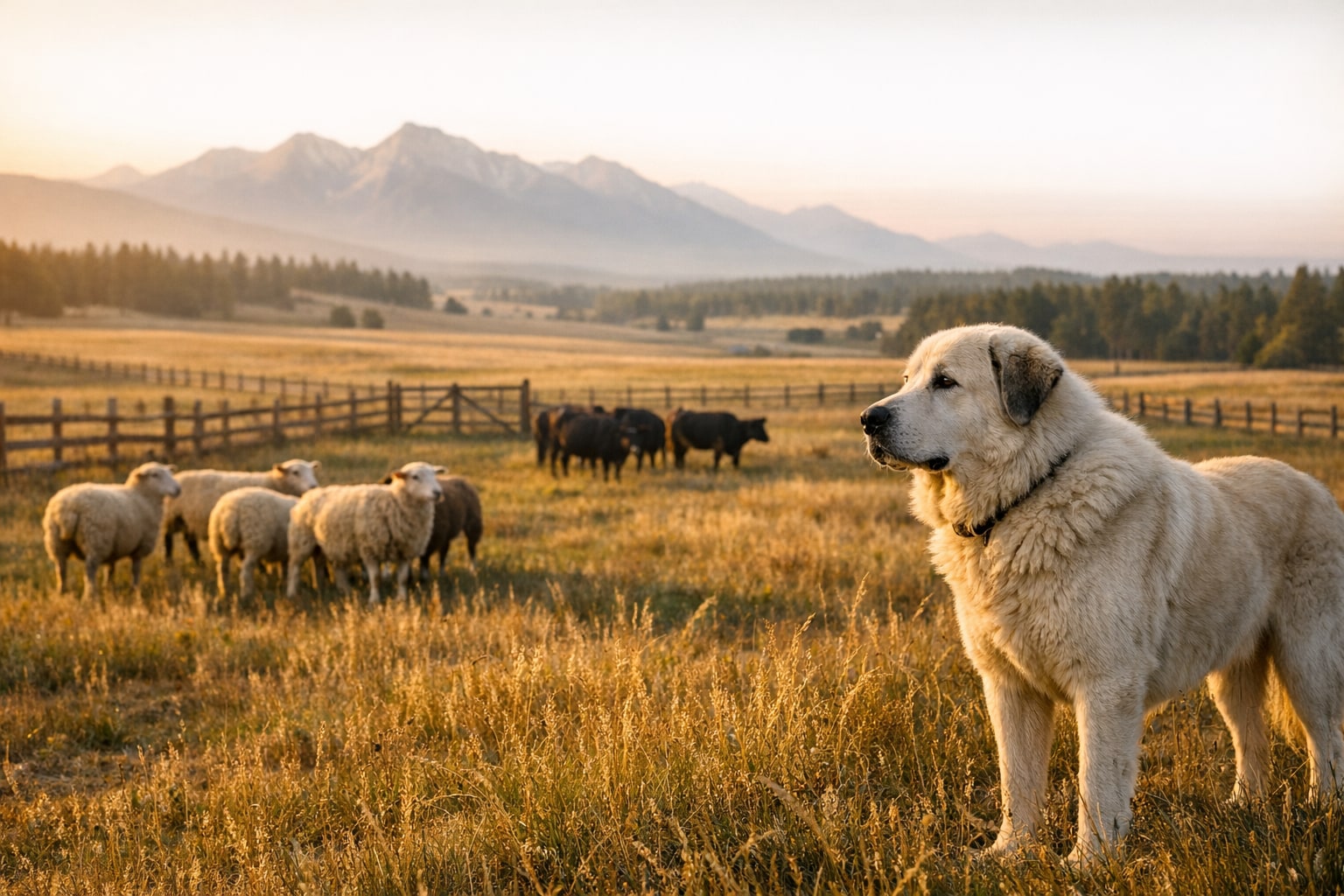
Anyone who has spent real time on open country knows a ranch has a way of teaching hard lessons. Fences fail. Coyotes get bold. Stray dogs can do damage in a single night. Calving season brings enough worry without adding predators, trespassers, and constant pressure on stock. That is where guard dogs on large ranches earn their keep. They are not a novelty and they are not just another dog around the yard. A dependable guard dog becomes part of the ranch itself, as much a working hand as the saddle horse tied near the barn.
Folks new to ranch life sometimes lump every working dog into the same category, but that is a mistake. A herding dog gathers, drives, and responds to close direction. A guard dog protects territory, stock, and home ground with a different kind of judgment. Some ranches use both, and the best operations understand the value of each. On big acreage, where you cannot keep eyes on every pasture and every gate, a guard dog brings something no machine can. It brings instinct, presence, and the kind of watchfulness that never really clocks out.
What Guard Dogs Actually Do on a Ranch
The first thing to understand is that not all ranch guard dogs do the same work. Some are livestock guardians that bond tightly with sheep, goats, or calves and stay with the herd day and night. Others are more traditional property guardians, focused on the yard, equipment, outbuildings, and the people who live there. On a large ranch, those roles can overlap, but the distinction matters because training, temperament, and daily routine all change depending on the job.
A true livestock guardian works with patience. It does not spend all day chasing and barking just to prove a point. The best ones settle into the herd and read the country around them. They know when a coyote is just passing through and when trouble is closing in. They make predators think twice before testing the fence line. That alone can save a rancher a pile of grief. Often the real value of a guard dog is not in the fight you witness, but in the trouble that never starts because the dog is there.
Property guard dogs serve a different purpose. They patrol the house area, barns, feed storage, and access roads. On isolated land, that matters more than many people realize. A truck coming in after dark, a stranger near the pens, or agitation among the dogs and stock can tell you a lot before you ever step outside. A calm, stable guard dog with strong nerves gives early warning and adds a layer of security that is hard to replace.
Why Large Ranches Need More Than a Good Fence
Big country creates big blind spots. You can have stout fences, decent lighting around the yard, and still lose stock or deal with persistent pressure from predators. Large ranches often have rough draws, creek bottoms, brush pockets, and broken terrain where coyotes, feral dogs, and even larger predators can move unseen. In that kind of country, guard dogs extend your reach.
I have seen places where the stock acted tighter and calmer simply because a reliable guardian stayed with them. That kind of calm is worth money. Stressed animals lose condition, bunch up at bad times, crowd fences, and make ordinary ranch work harder than it needs to be. A mature guard dog can help create a steadier rhythm on the place. Stock that feel protected often bed easier, move cleaner, and handle seasonal pressure better.
There is another point ranch owners learn over time. Predators adapt. If they find weak spots, they return. If they meet a confident, territorial dog every time they test the edges, many move on to easier opportunities. That ongoing pressure relief is one reason guard dogs on large ranches remain relevant even with modern fencing, cameras, and equipment.
Choosing the Right Kind of Guard Dog
This is where people either set themselves up for success or buy themselves a problem. The right dog depends on the ranch, the stock, the predator load, and how the place operates day to day. Great Pyrenees, Anatolian Shepherds, Akbash, Maremmas, and crosses among livestock guardian breeds are common choices where the main job is protecting animals in open pasture. These dogs are bred for independence, stamina, and the ability to stay composed without constant direction.
For ranches that need more emphasis on property protection, some owners lean toward breeds with stronger territorial instincts around buildings and family space. Even then, steady temperament matters more than raw aggression. An overly sharp dog can become a liability with hired help, delivery drivers, veterinarians, and neighbors. On a working ranch, a dog has to know the difference between ordinary activity and a genuine threat.
Temperament Matters More Than Tough Talk
The worst way to choose a guard dog is by looking for the meanest one in the litter. A ranch guard dog should be confident, observant, and level-headed. Reckless dogs get hurt, stir up stock, and create headaches. The better dog holds ground, assesses pressure, and acts with purpose. Good guard dogs do not need to advertise every thought. Many of the best are quiet until there is a reason not to be.
This is especially important for readers interested in herding dogs. If you already run Border Collies, Kelpies, Australian Shepherds, or other gathering dogs, you know how much control and responsiveness matter. Guard dogs bring a different working style. They are more independent by nature. If you expect herding-dog precision from a livestock guardian, you will frustrate yourself and the dog. Respect the role, and things go smoother.
Training and Raising Guard Dogs on a Working Ranch
People sometimes talk as if a guardian dog comes fully made. Good breeding helps, but raising one right still takes work. Pups need to be introduced carefully to the stock they are meant to protect. They need boundaries, routine, and enough supervision early on to prevent rough behavior, wandering, or unhealthy attachment to the house instead of the herd. A young dog that spends too much time being treated like a porch pet may never settle into the work the way it should.
At the same time, you cannot just throw a pup into a back pasture and expect instinct to carry the whole load. Young dogs need guidance. They need correction when they harass livestock and reinforcement when they settle calmly. In many cases, a seasoned older guardian helps teach a youngster far better than a person can. Dogs learn a lot from watching another dog hold stock, patrol boundaries, and react properly under pressure.
Consistency matters more than drama. Short, clear corrections and a routine the dog can rely on go a long way. Ranch dogs do best when they understand where they belong, what animals are theirs, and how the place functions. Chaos produces unreliable dogs.
How Guard Dogs and Herding Dogs Can Work Together
On many ranches, herding dogs and guard dogs share the same country but not the same purpose. That arrangement works well when the owner understands both sides. A herding dog may pressure stock, gather them, and move them through gates and pens. A guardian may initially object to that pressure if it has not been taught the difference between routine stock handling and danger. Introductions need to be deliberate. The guardian must learn that the herding dog is part of the ranch team, not a predator to be challenged.
Once that relationship is settled, the system can be impressive. The herding dog moves stock with precision. The guard dog keeps watch when the work is done and the pasture goes quiet again. In practical terms, that means less stress on livestock and more complete protection across the entire operation.
Common Problems Ranch Owners Should Expect
No honest ranch hand will tell you guard dogs are effortless. Some bark too much, especially when young. Some roam if fencing and bonding are poor. Some become too attached to people and neglect the animals they are supposed to protect. Others can be rough with newborns until maturity and supervision straighten them out. These are not reasons to avoid guard dogs, but they are reasons to be realistic.
Large ranches also present scale problems. One dog may be enough for a smaller place, but spread-out pastures and heavier predator pressure may call for a pair or a team. Heat, burrs, snakes, porcupines, and long distances all wear on a dog. Condition, feet, coat care, vaccination, and parasite control still matter. A working dog can be tough as rawhide and still need proper management.
The biggest mistake is expecting a guard dog to solve poor ranch management. If carcasses are left out, weak fences stay broken, and stock are pushed into vulnerable areas without thought, even the best dog will struggle. A guard dog is a powerful tool, but it works best as part of a sound overall ranch plan.
The Real Value of a Good Guard Dog
What makes people loyal to good guard dogs is not just protection. It is peace of mind. On a cold night when the wind is moving through the grass and something out beyond the draw starts the cattle stirring, there is comfort in hearing a mature dog answer from the right place. Not frantic. Not foolish. Just present and ready. That kind of dog lets a rancher sleep a little better.
Over time, these dogs become part of the story of a ranch. You remember the old male that stayed with the lambing flock through sleet, or the big white female that held the east pasture for years and knew every inch of that country better than most people ever would. Good ones leave a mark. They save stock you never knew was in danger, they discourage trouble before it reaches the gate, and they remind you that some jobs are still best done by instinct married to experience.
For dog owners interested in herding dogs, adding a guard dog to a large ranch is not about replacing a gathering dog. It is about strengthening the whole operation. When the right guardian is matched to the right place, the result is a steadier ranch, calmer livestock, and one more dependable set of eyes working the land after the rest of the crew has turned in.
Folks new to ranch life sometimes lump every working dog into the same category, but that is a mistake. A herding dog gathers, drives, and responds to close direction. A guard dog protects territory, stock, and home ground with a different kind of judgment. Some ranches use both, and the best operations understand the value of each. On big acreage, where you cannot keep eyes on every pasture and every gate, a guard dog brings something no machine can. It brings instinct, presence, and the kind of watchfulness that never really clocks out.
What Guard Dogs Actually Do on a Ranch
The first thing to understand is that not all ranch guard dogs do the same work. Some are livestock guardians that bond tightly with sheep, goats, or calves and stay with the herd day and night. Others are more traditional property guardians, focused on the yard, equipment, outbuildings, and the people who live there. On a large ranch, those roles can overlap, but the distinction matters because training, temperament, and daily routine all change depending on the job.
A true livestock guardian works with patience. It does not spend all day chasing and barking just to prove a point. The best ones settle into the herd and read the country around them. They know when a coyote is just passing through and when trouble is closing in. They make predators think twice before testing the fence line. That alone can save a rancher a pile of grief. Often the real value of a guard dog is not in the fight you witness, but in the trouble that never starts because the dog is there.
Property guard dogs serve a different purpose. They patrol the house area, barns, feed storage, and access roads. On isolated land, that matters more than many people realize. A truck coming in after dark, a stranger near the pens, or agitation among the dogs and stock can tell you a lot before you ever step outside. A calm, stable guard dog with strong nerves gives early warning and adds a layer of security that is hard to replace.
Why Large Ranches Need More Than a Good Fence
Big country creates big blind spots. You can have stout fences, decent lighting around the yard, and still lose stock or deal with persistent pressure from predators. Large ranches often have rough draws, creek bottoms, brush pockets, and broken terrain where coyotes, feral dogs, and even larger predators can move unseen. In that kind of country, guard dogs extend your reach.
I have seen places where the stock acted tighter and calmer simply because a reliable guardian stayed with them. That kind of calm is worth money. Stressed animals lose condition, bunch up at bad times, crowd fences, and make ordinary ranch work harder than it needs to be. A mature guard dog can help create a steadier rhythm on the place. Stock that feel protected often bed easier, move cleaner, and handle seasonal pressure better.
There is another point ranch owners learn over time. Predators adapt. If they find weak spots, they return. If they meet a confident, territorial dog every time they test the edges, many move on to easier opportunities. That ongoing pressure relief is one reason guard dogs on large ranches remain relevant even with modern fencing, cameras, and equipment.
Choosing the Right Kind of Guard Dog
This is where people either set themselves up for success or buy themselves a problem. The right dog depends on the ranch, the stock, the predator load, and how the place operates day to day. Great Pyrenees, Anatolian Shepherds, Akbash, Maremmas, and crosses among livestock guardian breeds are common choices where the main job is protecting animals in open pasture. These dogs are bred for independence, stamina, and the ability to stay composed without constant direction.
For ranches that need more emphasis on property protection, some owners lean toward breeds with stronger territorial instincts around buildings and family space. Even then, steady temperament matters more than raw aggression. An overly sharp dog can become a liability with hired help, delivery drivers, veterinarians, and neighbors. On a working ranch, a dog has to know the difference between ordinary activity and a genuine threat.
Temperament Matters More Than Tough Talk
The worst way to choose a guard dog is by looking for the meanest one in the litter. A ranch guard dog should be confident, observant, and level-headed. Reckless dogs get hurt, stir up stock, and create headaches. The better dog holds ground, assesses pressure, and acts with purpose. Good guard dogs do not need to advertise every thought. Many of the best are quiet until there is a reason not to be.
This is especially important for readers interested in herding dogs. If you already run Border Collies, Kelpies, Australian Shepherds, or other gathering dogs, you know how much control and responsiveness matter. Guard dogs bring a different working style. They are more independent by nature. If you expect herding-dog precision from a livestock guardian, you will frustrate yourself and the dog. Respect the role, and things go smoother.
Training and Raising Guard Dogs on a Working Ranch
People sometimes talk as if a guardian dog comes fully made. Good breeding helps, but raising one right still takes work. Pups need to be introduced carefully to the stock they are meant to protect. They need boundaries, routine, and enough supervision early on to prevent rough behavior, wandering, or unhealthy attachment to the house instead of the herd. A young dog that spends too much time being treated like a porch pet may never settle into the work the way it should.
At the same time, you cannot just throw a pup into a back pasture and expect instinct to carry the whole load. Young dogs need guidance. They need correction when they harass livestock and reinforcement when they settle calmly. In many cases, a seasoned older guardian helps teach a youngster far better than a person can. Dogs learn a lot from watching another dog hold stock, patrol boundaries, and react properly under pressure.
Consistency matters more than drama. Short, clear corrections and a routine the dog can rely on go a long way. Ranch dogs do best when they understand where they belong, what animals are theirs, and how the place functions. Chaos produces unreliable dogs.
How Guard Dogs and Herding Dogs Can Work Together
On many ranches, herding dogs and guard dogs share the same country but not the same purpose. That arrangement works well when the owner understands both sides. A herding dog may pressure stock, gather them, and move them through gates and pens. A guardian may initially object to that pressure if it has not been taught the difference between routine stock handling and danger. Introductions need to be deliberate. The guardian must learn that the herding dog is part of the ranch team, not a predator to be challenged.
Once that relationship is settled, the system can be impressive. The herding dog moves stock with precision. The guard dog keeps watch when the work is done and the pasture goes quiet again. In practical terms, that means less stress on livestock and more complete protection across the entire operation.
Common Problems Ranch Owners Should Expect
No honest ranch hand will tell you guard dogs are effortless. Some bark too much, especially when young. Some roam if fencing and bonding are poor. Some become too attached to people and neglect the animals they are supposed to protect. Others can be rough with newborns until maturity and supervision straighten them out. These are not reasons to avoid guard dogs, but they are reasons to be realistic.
Large ranches also present scale problems. One dog may be enough for a smaller place, but spread-out pastures and heavier predator pressure may call for a pair or a team. Heat, burrs, snakes, porcupines, and long distances all wear on a dog. Condition, feet, coat care, vaccination, and parasite control still matter. A working dog can be tough as rawhide and still need proper management.
The biggest mistake is expecting a guard dog to solve poor ranch management. If carcasses are left out, weak fences stay broken, and stock are pushed into vulnerable areas without thought, even the best dog will struggle. A guard dog is a powerful tool, but it works best as part of a sound overall ranch plan.
The Real Value of a Good Guard Dog
What makes people loyal to good guard dogs is not just protection. It is peace of mind. On a cold night when the wind is moving through the grass and something out beyond the draw starts the cattle stirring, there is comfort in hearing a mature dog answer from the right place. Not frantic. Not foolish. Just present and ready. That kind of dog lets a rancher sleep a little better.
Over time, these dogs become part of the story of a ranch. You remember the old male that stayed with the lambing flock through sleet, or the big white female that held the east pasture for years and knew every inch of that country better than most people ever would. Good ones leave a mark. They save stock you never knew was in danger, they discourage trouble before it reaches the gate, and they remind you that some jobs are still best done by instinct married to experience.
For dog owners interested in herding dogs, adding a guard dog to a large ranch is not about replacing a gathering dog. It is about strengthening the whole operation. When the right guardian is matched to the right place, the result is a steadier ranch, calmer livestock, and one more dependable set of eyes working the land after the rest of the crew has turned in.