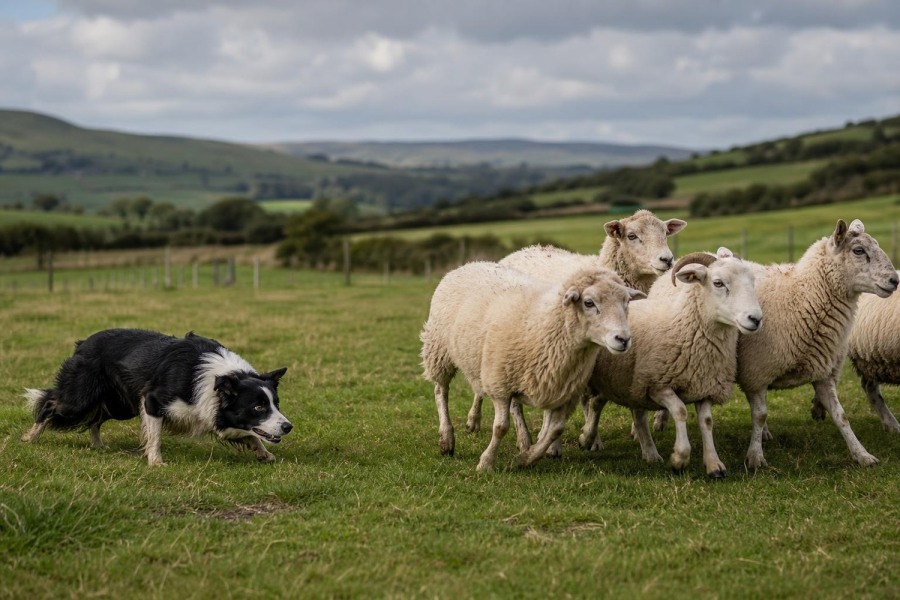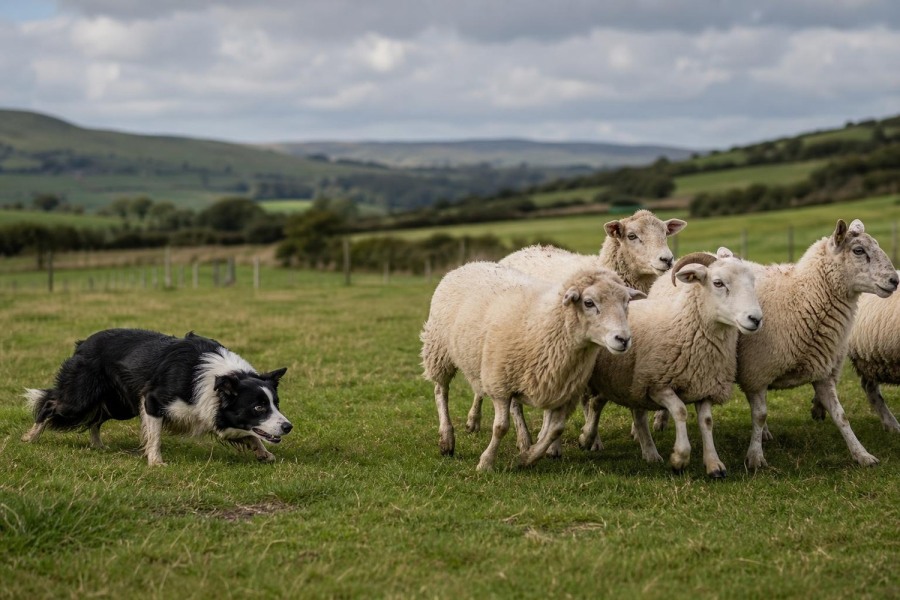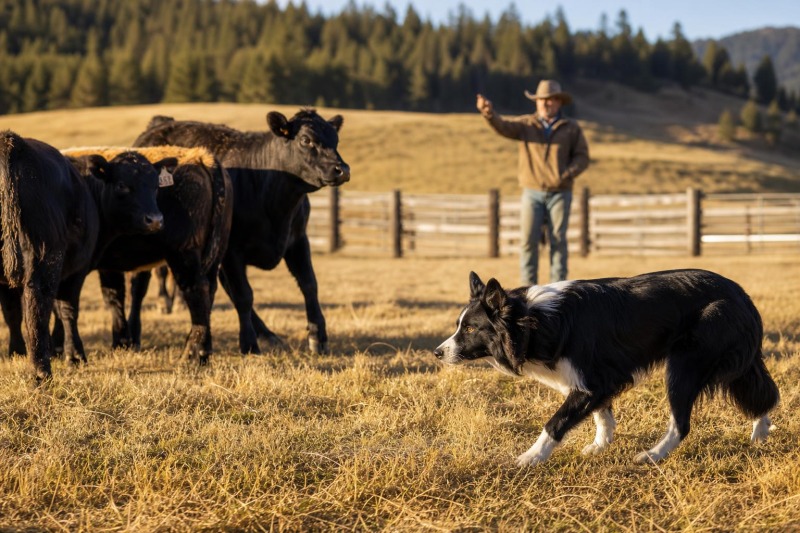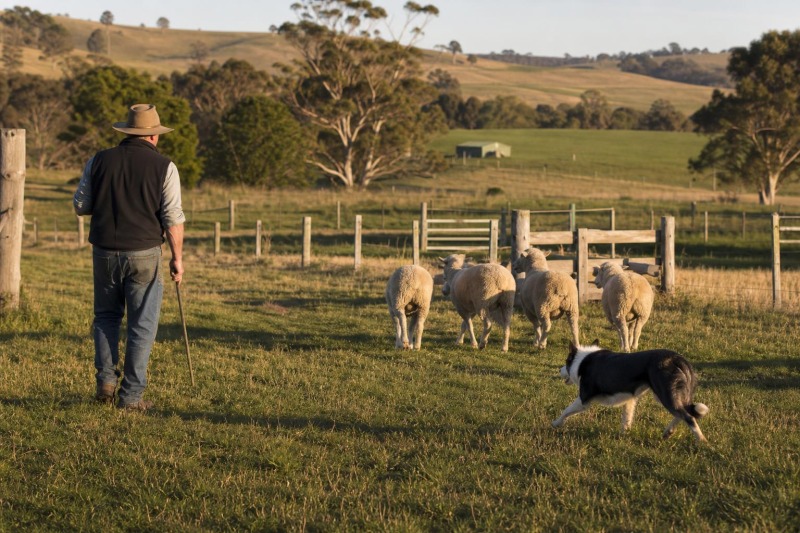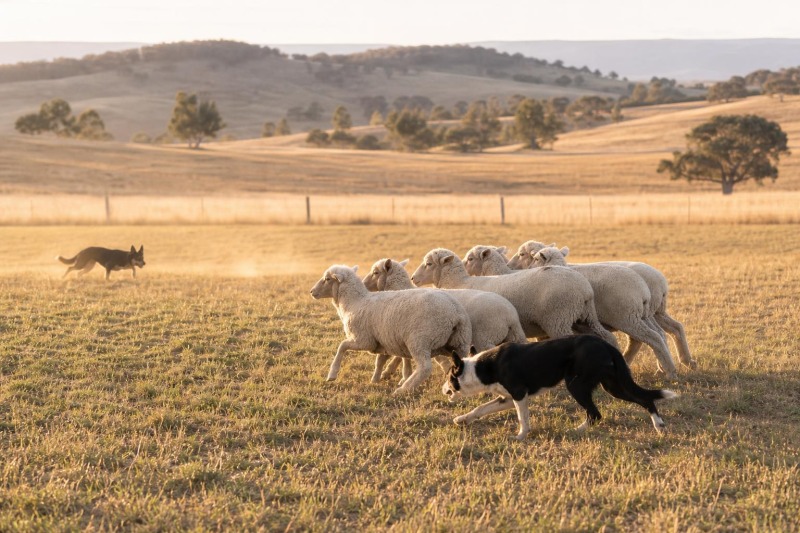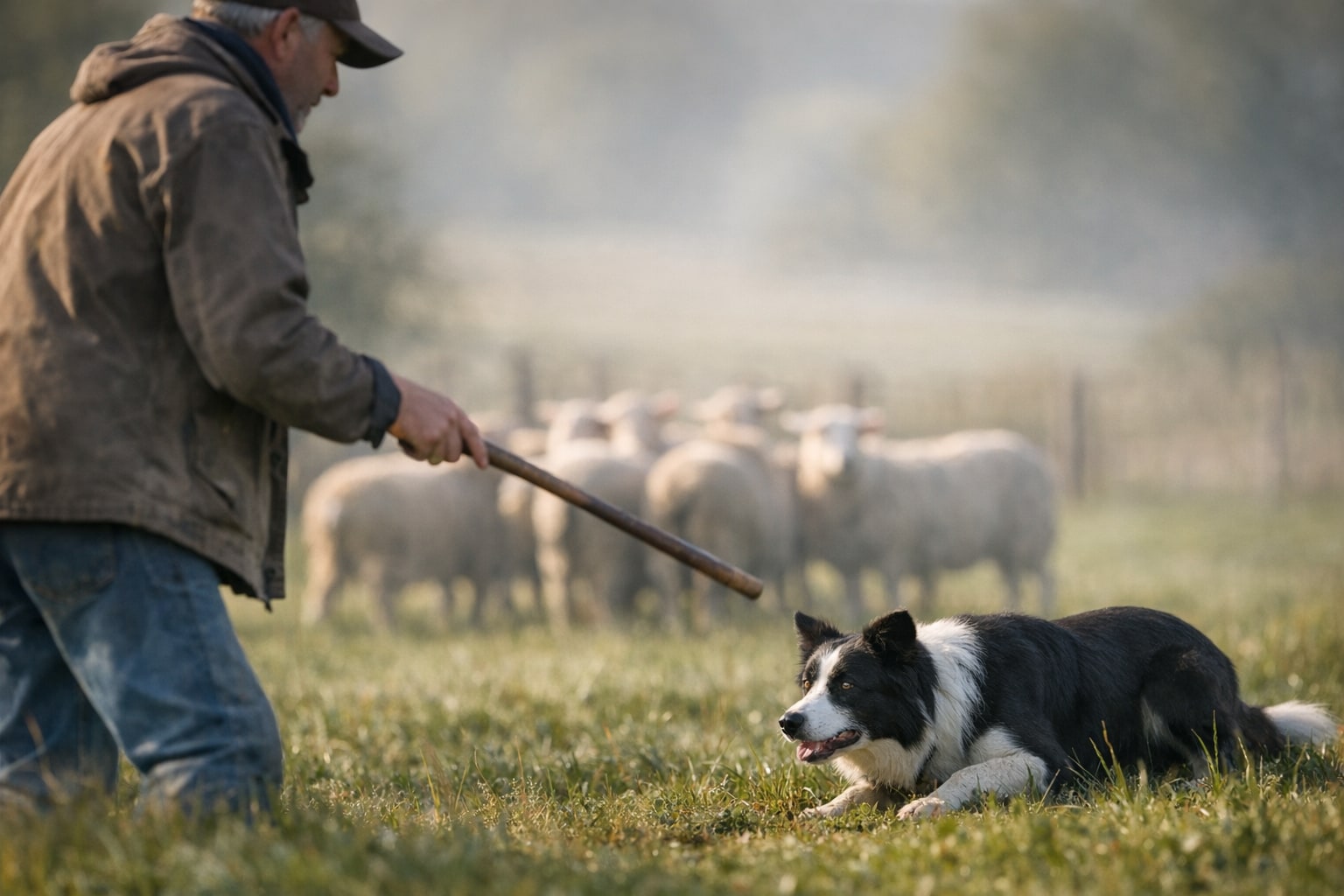
A poor working habit needs to be understood before it is corrected. Excess pressure, confusion, confidence, and the stock’s behavior can create similar-looking problems. Look at where the work breaks down before increasing the demand on the dog.
Most bad herding habits do not start because a dog is hard-headed or worthless. They start because the dog is confused, overfaced, rushed, allowed to get away with sloppy work, or handled with poor timing. That is where trouble starts.
If you want to correct bad herding habits, the first thing to understand is that you are not just trying to stop a behavior. You are trying to replace it with a better response that the dog can understand and repeat under pressure. That takes consistency, good stock, and a level head from the handler.
Why Bad Herding Habits Develop
Herding dogs learn fast, and that is both a gift and a problem. If a dog discovers that gripping makes sheep move, the dog may start using teeth before using presence. If bolting in tight gets the stock turned, the dog may begin to rush every draw. A dog does not always know the difference between effective work and dirty work unless we teach it.
Some habits are born from insecurity. A young dog that feels out of control may crowd stock, bark too much, or dive in at the heads because it has not learned to hold balance calmly. Other habits come from too much pressure. A dog corrected harshly at the wrong moment may get sticky, hesitant, or refuse to go in when asked. Then there are dogs with so much natural push and eye that they become mechanical, gripping the stock mentally so hard they stop thinking.
The field teaches humility. Before correcting anything, look hard at the whole picture.
Read the Dog Before You Correct the Habit
A dog that is defiant looks different from a dog that is unsure. One needs boundaries. The other needs clarity and confidence. If you correct both the same way, you risk making each one worse. Pay attention to posture, pace, and how the dog responds after pressure. A confident dog may test you, then bounce right back into work. An insecure dog may fold, go wide in a worried way, or quit taking stock honestly.
Good training begins with honest reading. If you miss the dog’s state of mind, your timing may be perfect and still be wrong.
Rushing the Stock
Rushing is one of the most common problems in herding dogs, especially young ones. The dog comes in too hot, blows through the pressure, and sends sheep scattering. Often the dog is overexcited or has learned that speed gets results. It may also lack confidence and rush to avoid thinking.
The fix is not simply yelling “steady” over and over. That word means very little if the dog has never been taught how to slow itself. Work in a smaller, controlled setup with quiet stock that will respond without exploding. Ask for shorter, calmer approaches. If the dog charges, stop the movement, reset, and bring the dog in again with less freedom. The lesson is that calm controls stock, while reckless motion loses the job.
Once that clicks, the work starts to soften.
Gripping or Nipping Too Much
Some grip is natural in certain situations. There are times when a strong-minded ewe or stubborn cow needs a dog that will back its authority. But habitual, unnecessary gripping is a fault that can become dangerous fast. A dog that bites out of impatience, excitement, or lack of control is not working clean.
To correct gripping, go back to stock the dog can manage without needing force. Many dogs grip because they are overstocked, trapped in tight spaces, or allowed to work while over-aroused. Create room. Slow the pace. Interrupt the dog before the grip happens, not after the stock has already blown apart. Then redirect the dog into a cleaner flank, a stop, or a hold.
If you only punish the bite without teaching the dog another way to influence stock, you leave a hole in the training. The dog needs to feel that balance, pressure, and proper position can get the same result better than teeth.
Slicing the Outrun
A sliced outrun is ugly because it puts pressure on stock too early and ruins the lift before it begins. Usually the dog cuts in because it wants to control stock too soon, lacks confidence going wide, or has simply practiced the wrong line too many times.
This habit is best corrected with setup and repetition, not frustration. Place the dog where a proper flank is possible, and stop the dog the moment it starts to cut in. Then recast it calmly and make the right path easier than the wrong one. If needed, reduce distance and rebuild shape before asking for longer outruns again.
There is no substitute for correct repetitions. A dog that rehearses a bad outrun fifty times is not experimenting anymore. It is learning a pattern.
Ignoring Flanks or Stop Commands
When a dog blows off commands, owners often assume stubbornness. Sometimes that is true. Just as often, the commands are not as solid as the owner believes. Herding exposes every hole in obedience because stock adds pressure, temptation, and movement.
If your dog will lie down in the yard but not in the field, the command is not finished. Go back and strengthen those basics around manageable stock and in low-pressure scenarios. Use commands sparingly and mean them every time. Repeating a command five times only teaches the dog it can wait until the fifth one.
A useful stop should interrupt motion cleanly without draining the dog’s confidence. If every stop becomes a scolding, some dogs will begin to associate control with failure. Then they either quit taking initiative or start tuning you out altogether.
Over-Flanking and Busy Movement
Some dogs never seem to settle. They flank when they should hold, buzz around stock when a straight walk-up would do, and look busy without truly being effective. This often happens in dogs with plenty of desire but too little understanding.
The cure is to simplify the job. Give the dog fewer choices and reward calm, direct work. Let the dog discover that holding pressure in the right spot is more powerful than constant motion. Too much needless movement unsettles stock and wastes energy. A thoughtful dog learns to do less and accomplish more.
Setups Matter More Than Most Owners Think
You cannot fix a bad herding habit in a bad training situation. If the pen is too tight, the stock too flighty, the dog too tired, or the handler too frustrated, the session usually teaches the wrong lesson. Good setups let you isolate the problem and shape the right behavior before things unravel.
If a dog is rough, do not test that roughness on jumpy stock in a corner. If the outrun is bad, do not keep stretching distance and hoping the dog figures it out. Break the problem down. Show the dog where success lives. Then repeat it until the good choice starts to feel natural.
The Importance of Good Stock
Quiet, sensible stock can make a young or troubled dog look educated. Wild stock can make a decent dog look foolish. That does not mean you coddle the dog forever, but when you are correcting bad habits, suitable livestock are worth their weight in feed. They let the dog think. They let you time your corrections. They give the dog a chance to feel right.
Bad stock create lies. A dog that grips because sheep are crashing fences may not be learning aggression so much as desperation. Always ask whether the livestock are helping or hurting the lesson.
Handler Habits That Create Dog Problems
Not all bad herding habits belong to the dog. Some belong to the person holding the whistle. Late corrections, constant chatter, emotional handling, and poor positioning can all muddy the work. Dogs need information they can trust. If your timing changes from day to day, or if every mistake is met with too much heat, the dog may become frantic, dull, or resistant.
One of the hardest lessons for any handler is learning when to be quiet. A good dog often needs a chance to work through pressure and find the right answer. Step in too soon and you create dependence. Step in too late and you allow a bad habit to pay off. That balance comes from watching stock as much as the dog. Livestock tell you when the line is beginning to break.
Progress Comes From Consistency, Not Drama
There is a temptation, especially when a dog is frustrating, to look for a dramatic correction that will solve everything in one day. Real dog work rarely goes that way. Lasting improvement comes from dozens of clean sessions where the dog is shown the same truth over and over. Calm stock handling. Clear commands. Fair pressure. Good timing. Proper rest.
The difference is usually not talent. It is patience and honesty.
If your herding dog has picked up bad habits, do not rush to label the dog. Ask what the habit is accomplishing, what pressure is feeding it, and what skill is missing underneath it. Fix that, and the surface problem often starts to fade. A dependable herding dog is not made by force. It is made by clear work, fair handling, and enough miles behind stock to replace impulse with understanding.