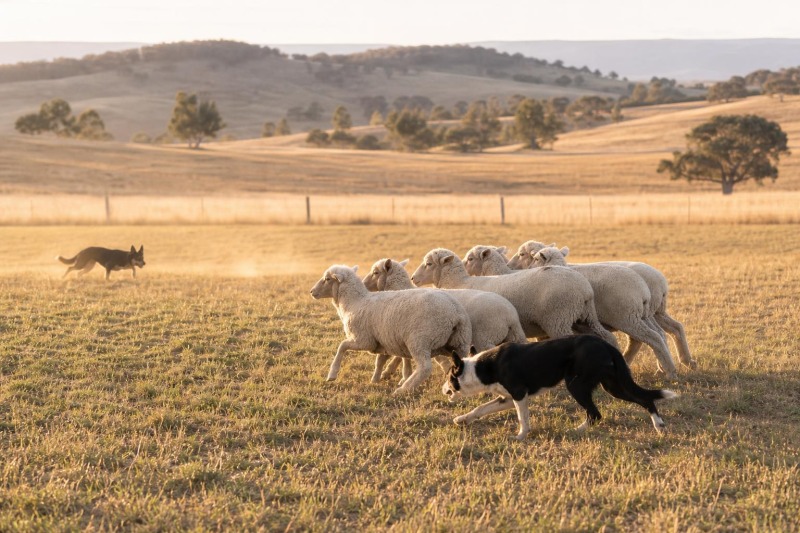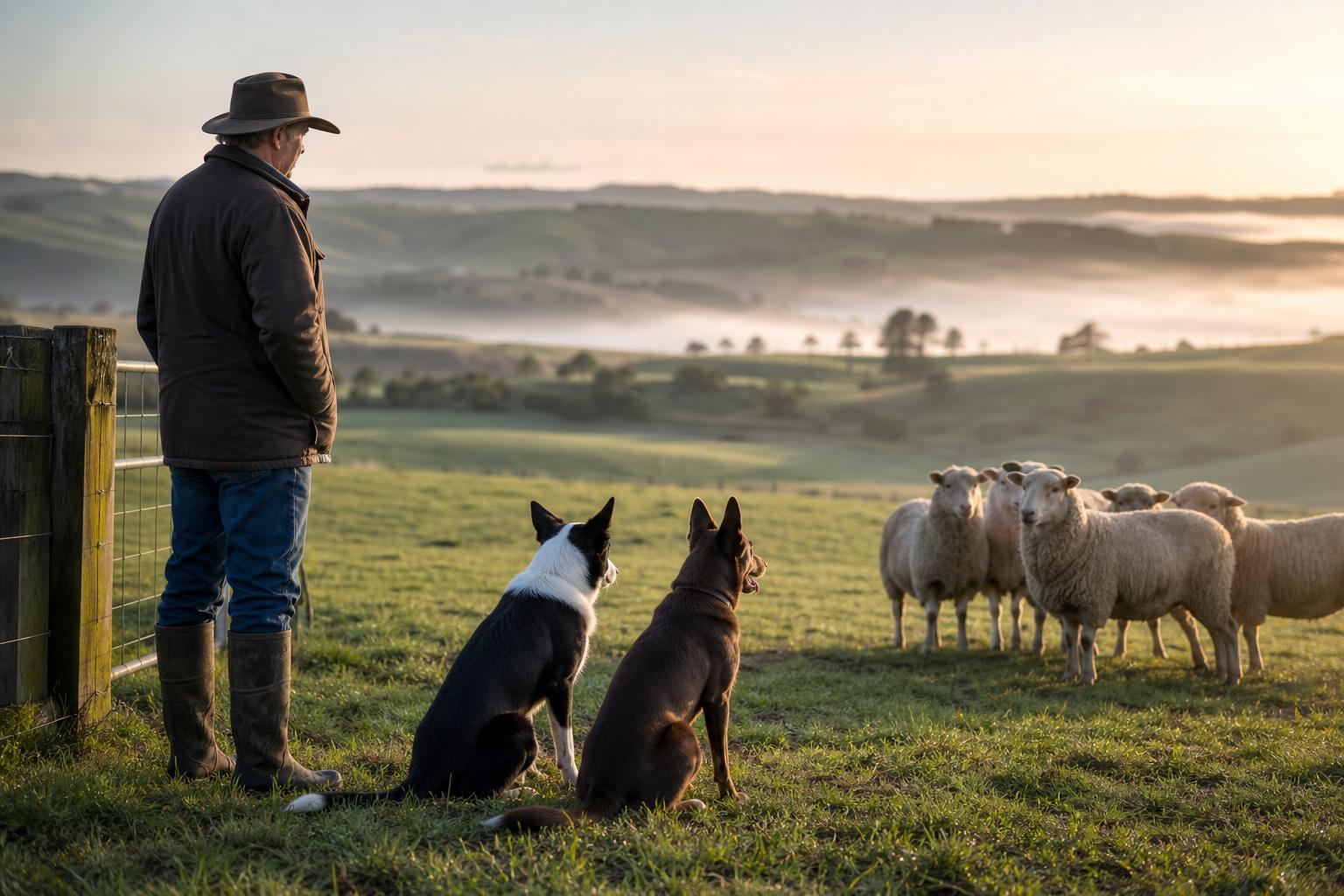
Choosing a farm dog begins with the work: the stock, the ground, the distances, and the handling the job requires. Breed and pedigree can help frame the search, but the individual dog still needs to fit the farm.
Real farm people tend to work the other way around. They start with the job. They think about terrain, stock pressure, weather, handling style, and how many hours a dog may need to stay switched on. Then they look for a dog built for that life. That practical mindset is at the heart of how farmers choose the right herding dog.
The Job Comes Before the Dog
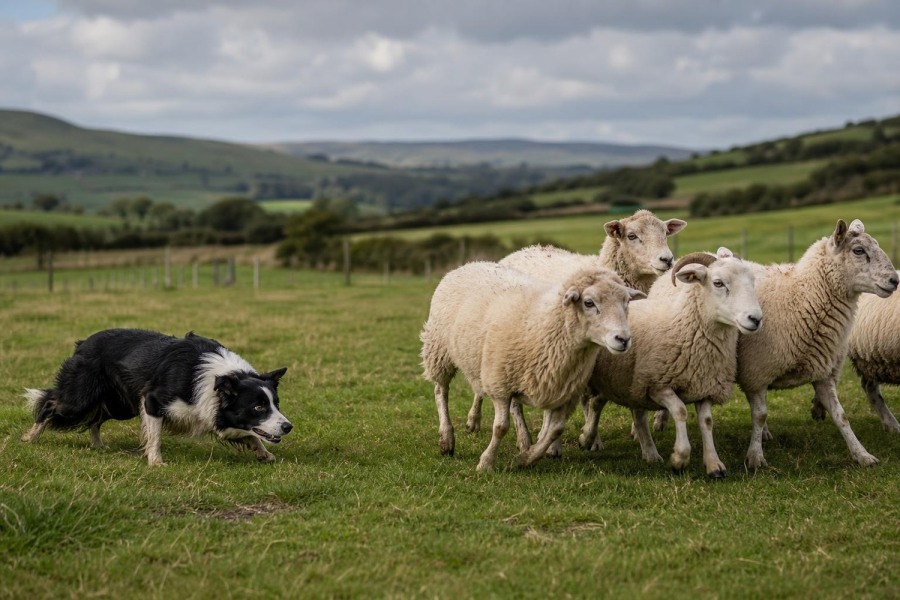
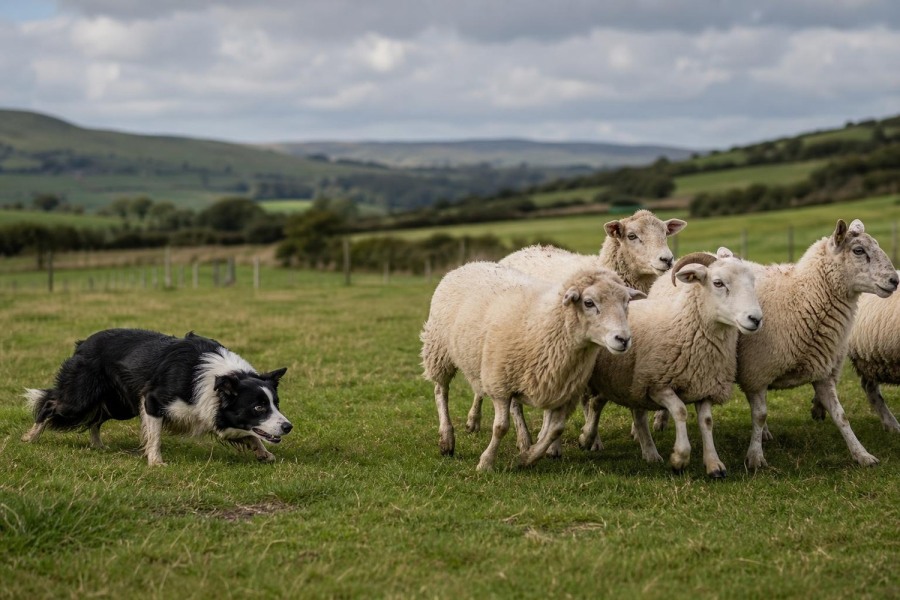
Ask any experienced stockman what kind of herding dog they need, and the first honest answer is usually another question: what needs doing? A small sheep farm with light, dog-broke ewes calls for a different kind of dog than a spread handling rough cattle in open country. Some farms need a wide outrunning dog that can gather stock quietly from distance. Others need a tougher dog with enough backbone to move animals that would rather stand and argue.
That is why farmers pay close attention to the type of livestock on the property. Sheep often require finesse. Cattle, especially less handled cattle, may require more pressure and grit. Ducks can test patience and precision. Goats can make even seasoned dogs look foolish. The dog has to match the stock, not just the owner’s taste.
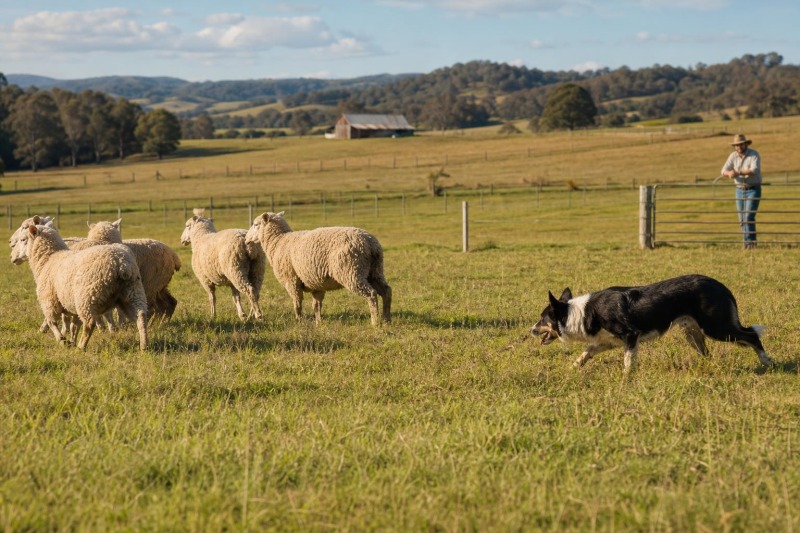
The land matters too. On steep ground or broad pasture, a dog needs range, balance, and stamina. In tighter pens and alleyways, control and responsiveness may matter more than a huge outrun. A farmer who works close and quiet may prefer a dog that handles softly and reads subtle commands. Another may want a stronger-eyed dog that naturally gathers and holds stock with little fuss.
Instinct Is the Foundation
No amount of training can fully replace natural instinct. Farmers know that. A true herding dog is born with pieces of the puzzle already in place: the desire to gather, sensitivity to stock movement, a sense of balance, and the willingness to work with a handler. Training shapes those traits, but it does not create them from nothing.
When farmers evaluate a young dog or pup, they often watch for signs that cannot be taught easily. Does the pup notice stock in a meaningful way? Is there curiosity without panic? Is there natural draw toward controlling movement rather than simply chasing? That first glimpse of stock sense can tell an experienced eye a lot.
Good farmers are careful here. A wild pup tearing around the pen is not showing talent just because it is excited. In many cases, that kind of frantic energy is the opposite of useful. Real instinct appears more thoughtful. The dog begins to read pressure. It circles naturally. It responds to motion. It shows interest in controlling stock rather than scattering them for sport.
Why Stock Sense Matters More Than Flash
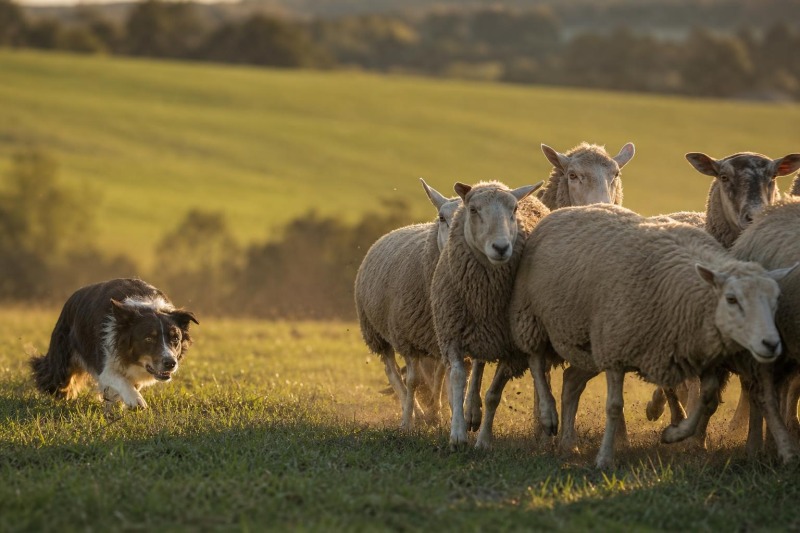
Some dogs look impressive for five minutes. They run hard, cut sharp, and stir up dust. But stock work is not a rodeo trick. Farmers value a dog that can settle animals, hold a line, and make sensible choices under pressure. Stock sense is what lets a dog ease in when animals are flighty and step up when they get sticky. That kind of judgment is gold in the field, and it often separates a useful dog from a merely exciting one.
Temperament Makes or Breaks a Farm Dog
A working herding dog must have more than instinct. Temperament carries the dog through the daily grind. Farmers look for biddability, resilience, and a mind that can handle correction without falling apart. The best farm dogs are usually keen but levelheaded. They want to work, they take direction, and they recover quickly from mistakes.
Nerves matter. A dog that startles easily, cannot handle pressure, or unravels around noise and movement may struggle in real farm conditions. Gates clang. Lambs bawl. tractors rumble past. Kids run through the yard. The dog has to live in that world without becoming frantic or shut down.
At the same time, a farmer does not necessarily want a dog that is hard-headed for the sake of it. There is a difference between toughness and stubbornness. A good herding dog has enough confidence to face stock, but enough partnership in its nature to listen when the handler asks for something difficult or counter to instinct. That balance is not easy to find, which is why experienced breeders and working trainers are worth their weight in feed.
Breed Matters, but Bloodlines Matter More
Most people start with breed, and that makes sense. Border Collies, Australian Shepherds, Australian Kelpies, Old English Sheepdogs, and other herding breeds all bring different tendencies to the table. Still, farmers who rely on dogs for actual work usually dig deeper than the breed label. They want to know the lines behind the dog.
Within any breed, there can be a wide gap between dogs bred for work and dogs bred mainly for looks or companionship. A farm-bred Border Collie from proven working parents may have generations of stock sense behind it. Another dog of the same breed from non-working lines may be intelligent and athletic, yet lack the practical instincts needed for serious stock handling.
That is why good farmers ask hard questions. What kind of stock did the parents work? How much pressure can they handle? Are they natural gatherers or stronger driving dogs? How are their temperaments around people, other dogs, and daily farm life? The answers reveal much more than a registration paper ever will.
Meeting the Parents and Seeing Real Work
If possible, farmers like to see parents or related dogs work stock. Watching a dog in the field tells the truth fast. You can see pace, confidence, style, responsiveness, and whether the dog has the kind of brain that fits your needs. A pedigree can point you in the right direction, but live work shows whether those bloodlines produce the kind of dog you can trust with your operation.
Trainability and Handler Fit
One of the biggest mistakes new owners make is choosing a dog for its reputation instead of for their own skill level. Farmers are often more honest about this than hobby owners. They know a high-powered dog in inexperienced hands can become a problem in short order. A dog with tremendous talent may still be the wrong choice if the handler lacks timing, confidence, or access to proper training.
The right herding dog should fit the person as well as the farm. Some handlers do best with a naturally soft dog that responds to quiet guidance. Others prefer a stronger dog that can take correction and keep working. Neither is automatically better. The best match is the one where dog and handler understand each other and can improve together.
Trainability also shows up in daily life. Can the dog settle when work is done? Does it focus in distracting environments? Does it accept structure? Farmers often favor dogs that are not only capable workers but sensible house and yard companions. On many farms, the herding dog is both employee and family member. That dual role demands steadiness.
Health, Structure, and Staying Power
A handsome pup means little if it cannot hold up physically. Farmers choose herding dogs with one eye on today’s chores and the other on years of work ahead. Sound hips, good feet, efficient movement, and overall durability matter. A dog may need to cover rough ground, pivot hard, jump into trailers, and work in heat, wind, sleet, and dust. That takes a body built for function.
Responsible farmers and breeders look at health testing, but they also use plain common sense. They watch how a dog moves after a hard session. They notice whether it tires sensibly or falls apart. A useful herding dog is an athlete, and athletes need both genetic soundness and thoughtful conditioning.
Stamina is part of the picture too. Some dogs burn bright and fade fast. Others can work all morning, rest in the shade for a spell, and head back out with the same clear head. That lasting power is often what makes a dog invaluable when weather turns bad or stock get difficult.
Farmers Value Practical Results Over Fancy Promises
Farmers choose the right herding dog by asking one plain question: will this dog make the work better? They are not usually chasing trends. They want a dog that can gather stock cleanly, move them with as little stress as possible, and adapt to the rhythm of the place. The best farm dogs are not always the loudest, flashiest, or most advertised. More often, they are steady workers with honest instinct and the kind of mind that deepens with experience.
No drama. No fuss. Just a dog reading stock, reading land, and reading its handler all at once. That is what farmers are after when they choose a herding dog. They are buying time, trust, and a living tool shaped by generations of purposeful breeding.
For dog owners interested in herding breeds, there is a lesson in that old farm wisdom. The right dog is never just the dog you admire from a distance. It is the dog whose instincts, temperament, health, and style fit the work and the home you can truly offer. Choose with clear eyes, talk to working breeders, watch dogs on stock when you can, and let function guide your heart. That is how farmers do it, and more often than not, they get it right.