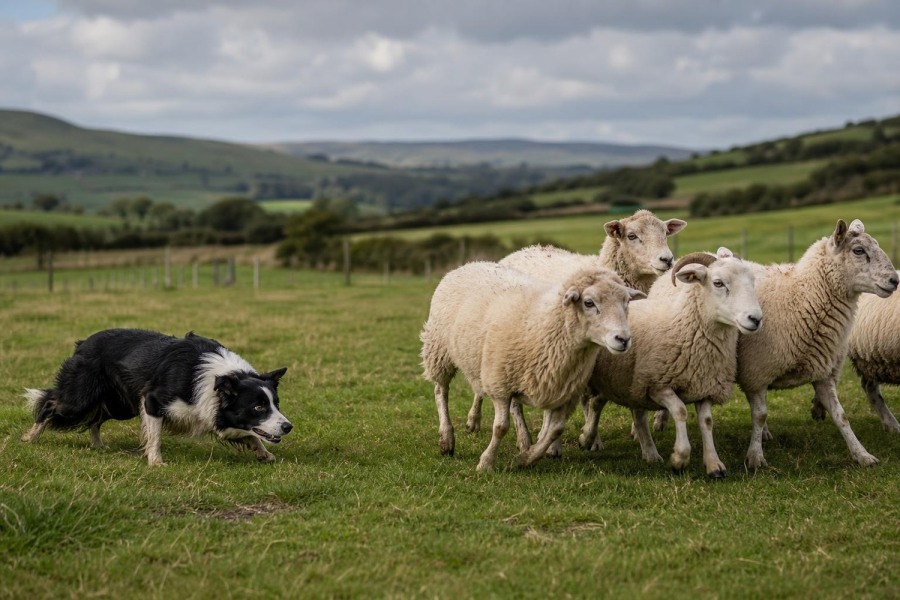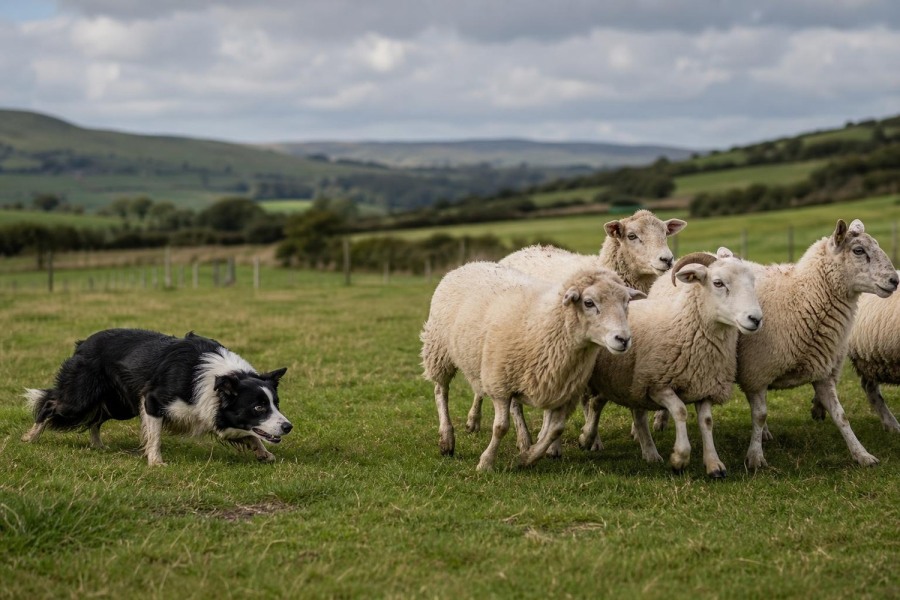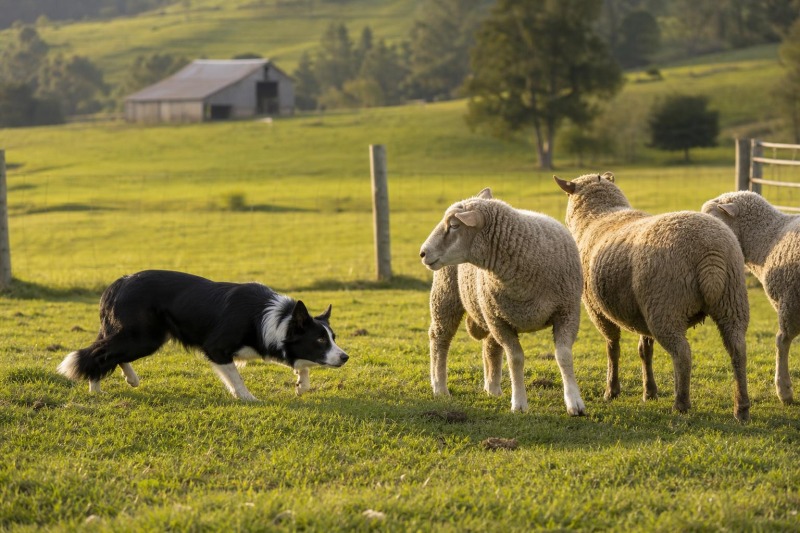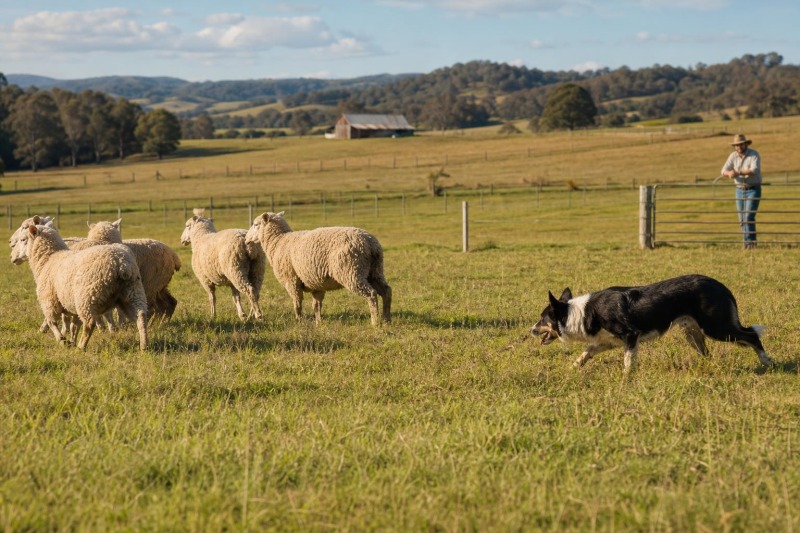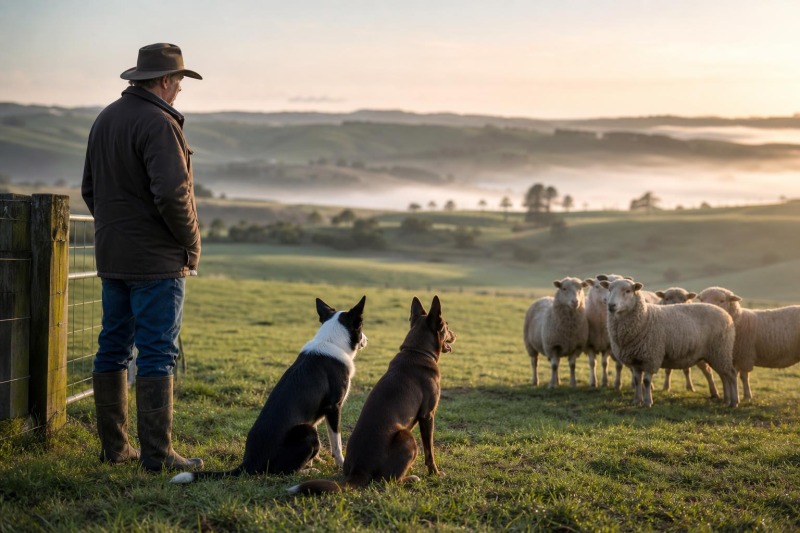
Stock sense is the ability to make useful decisions about livestock movement. A dog must notice pressure, balance, and changes in the animals’ behavior. Training can develop that ability while giving the handler ways to direct it.
That dog was not simply trained. That dog understood stock.
What Stock Sense Really Means
In plain terms, stock sense is a herding dog’s instinctive ability to control livestock by reading movement, pressure, balance, and emotion. A dog with stock sense does not just chase. It notices when sheep are uneasy, when cattle are testing the boundary, when one ewe is looking for a hole in the fence line, or when the herd is about to split before the handler even sees it. The dog adjusts on the fly, often in tiny ways, making the work look smooth and almost effortless.
This quality is part instinct, part temperament, and part experience. A dog may be born with strong natural stock sense, but it still needs exposure and training to bring that talent into working form. In the same way, a willing dog can improve with careful handling, yet the deepest kind of stock sense usually has roots in breeding. It is one reason experienced herding people study bloodlines so closely. They are not just looking for drive. They are looking for judgment.
That judgment matters because livestock are not machines. Sheep bunch, bolt, drift, and settle. Cattle challenge pressure differently from ducks, and goats can humble a green dog in a hurry. Great herding dogs sense that difference and respond with the right amount of authority. Too much pressure and stock panic. Too little and they ignore the dog altogether. Stock sense lives in that narrow band between force and finesse.
Why Great Herding Dogs Stand Apart
Most dog owners can spot obvious traits. A dog that is fast stands out. A dog that is biddable stands out. A dog with a beautiful outrun or a stylish crouch stands out. But the dogs that people remember for years are often the ones that seem to think with the livestock instead of merely reacting to them.
That is where great herding dogs separate themselves. They know where to be without constant correction. They feel the balance point of the group. They can hold pressure just long enough to turn stock and then release it before things boil over. When a gate is open and trouble is brewing, they seem to appear in the right spot as if they had already mapped the problem.
Some of that is learned through repetition, but the best dogs show it early. You can see it in a young dog that circles naturally to gather instead of diving in headfirst. You can see it in the pup that pauses when the stock settles rather than continuing to push for the sake of movement. Those little moments reveal a mind tuned to livestock rather than intoxicated by motion.
Instinct Is Not the Same as Excitement
One mistake new owners often make is confusing high arousal with working talent. A dog that barks, charges, and spins around stock may look intense, but intensity by itself is not stock sense. In fact, raw excitement can hide the very thing handlers need to evaluate. A truly useful dog may be keen and powerful, yet there is purpose in that energy. The dog is trying to influence stock, not simply vent drive.
That distinction matters for owners of herding breeds who may never work livestock regularly but still want to understand their dog’s instincts. Border Collies, Australian Shepherds, Australian Cattle Dogs, Kelpies, and other herding breeds often show fragments of these behaviors in daily life. They watch movement, position themselves to control space, and react quickly to shifting patterns. But genuine stock sense goes beyond a tendency to herd children or circle other dogs at the park. It is a specialized intelligence shaped for managing animals under pressure.
How Stock Sense Shows Up in the Field
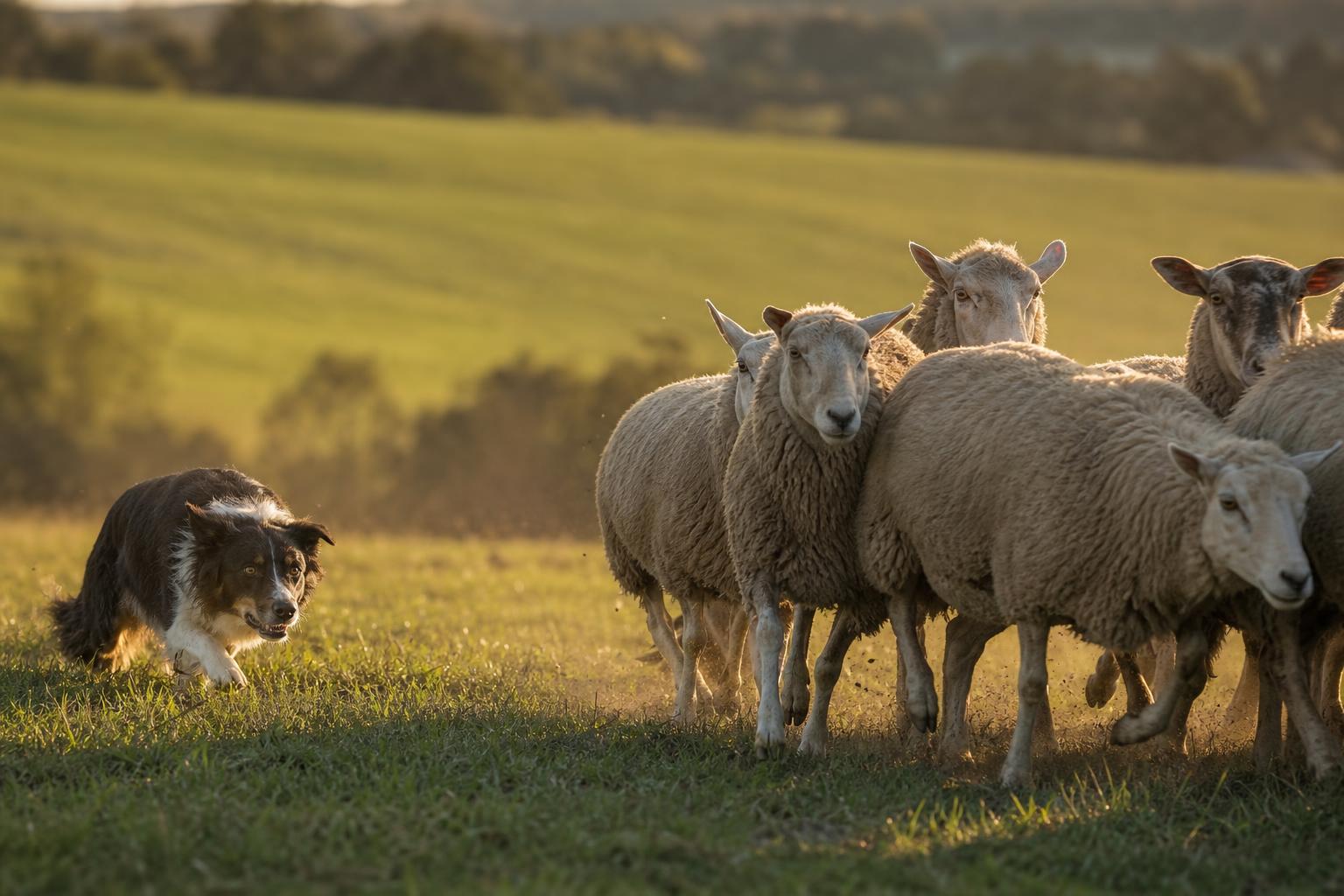
The clearest sign of stock sense is efficiency. A dog with it wastes less motion. It does not need to grip unless the moment truly calls for force. It does not crash into stock just to prove courage. It bends its path, changes eye, widens a flank, or steps into pressure at exactly the right second. Watching that kind of dog work feels a bit like watching a good bird dog lock up on point. There is instinct there, yes, but also composure and timing that cannot be faked.
The dog was not frantic. He cast wide, drifted in with his head low, and held just enough presence to keep those cattle thinking forward. Every time one heifer started to peel off, he was already there, not rough, not reckless, just certain. That is stock sense. It saves steps, saves tempers, and often saves livestock from unnecessary stress.
On sheep, the picture can be even finer. A dog with stock sense can feel when a flock wants to draw to a barn, when one side is getting heavy, or when pressure from the handler is creating tension. The dog becomes a partner in problem solving rather than a tool waiting for orders. That is why experienced handlers value dogs that think. Obedience matters, but blind obedience is not enough when stock make a bad decision in the blink of an eye.
Reading Pressure and Balance
Pressure is at the heart of all herding work. Every movement by the dog changes how livestock respond. Step too close and they surge. Stay too far off and they drift out of control. Balance is the dog’s ability to position itself to keep stock between dog and handler or to hold them on a desired line of travel. Stock sense is what lets a dog interpret these invisible forces with precision.
Handlers can teach mechanics, commands, and boundaries, but a dog must still feel the stock. That is why some dogs improve rapidly after only a few well-timed lessons while others remain mechanical despite plenty of work. The talented dog begins connecting pressure to response. It learns not just what command was given but why that movement mattered.
Can Stock Sense Be Developed?
To a degree, yes. Good training can sharpen a dog’s natural talent, help it gain confidence, and teach it to use instinct productively. A green dog often needs calm stock, a fair trainer, and enough repetition to understand cause and effect. Experience teaches the dog how different animals behave and how to stay composed in difficult moments.
Still, training cannot manufacture deep stock sense where very little exists. It can improve a dog’s usefulness, but it cannot fully replace instinctive judgment. That is an important truth for anyone shopping for a herding prospect or hoping a pet-bred dog will develop into serious stock help. If working ability matters, choose breeders who prove their dogs on livestock, not just in appearance or sport alone.
The best way to nurture stock sense is to avoid rushing. Let the dog meet stock in situations it can understand. Do not overhandle every step. Do not micromanage so much that the dog never learns to think. Correct recklessness, reward thoughtful work, and expose the dog to honest livestock that teach respect without overwhelming it. The right dog, given the right opportunities, will start showing you what is in there.
Why This Matters for Herding Dog Owners
Even if you do not run a ranch or compete in herding trials, understanding stock sense gives you a clearer picture of your dog’s heritage. Herding breeds were not built solely for energy or trainability. They were developed for the mental art of controlling animals. That heritage explains why many of these dogs crave purpose, notice motion instantly, and become frustrated when their instincts have no outlet.
For owners, that means enrichment should involve more than simple exercise. A long run is useful, but it does not fully satisfy a dog bred to assess, control, and respond. Training games, scent work, advanced obedience, and herding lessons can all help channel that sharp working mind. Dogs with strong instincts often thrive when given structured tasks that ask them to think as well as move.
It also means expectations should be realistic. Not every herding breed dog is a natural stock dog, and not every dog with instinct has the steadiness to become excellent. But when stock sense is present, it is one of the most impressive traits in the canine world. It combines intelligence, restraint, courage, and feel in one package. There is no substitute for seeing it firsthand.
The Quiet Genius Behind the Work
Stock sense is what makes a herding dog more than a fast athlete with commands. It is the quiet genius behind the work, the trait that turns movement into control and instinct into partnership. Great herding dogs do not just move livestock from one place to another. They understand the job in a way that seems almost uncanny, and they do it with a blend of power and tact that earns deep respect from anyone who has handled animals for a living.
If you live with a herding breed, learning about stock sense will help you appreciate what these dogs were made to do. If you work stock, it will remind you why the best dogs are worth their weight in gold. And if you ever get the chance to watch a truly gifted dog gather a flock across open ground with hardly a wasted step, pay attention. You are not just watching training. You are watching instinct refined into craft.