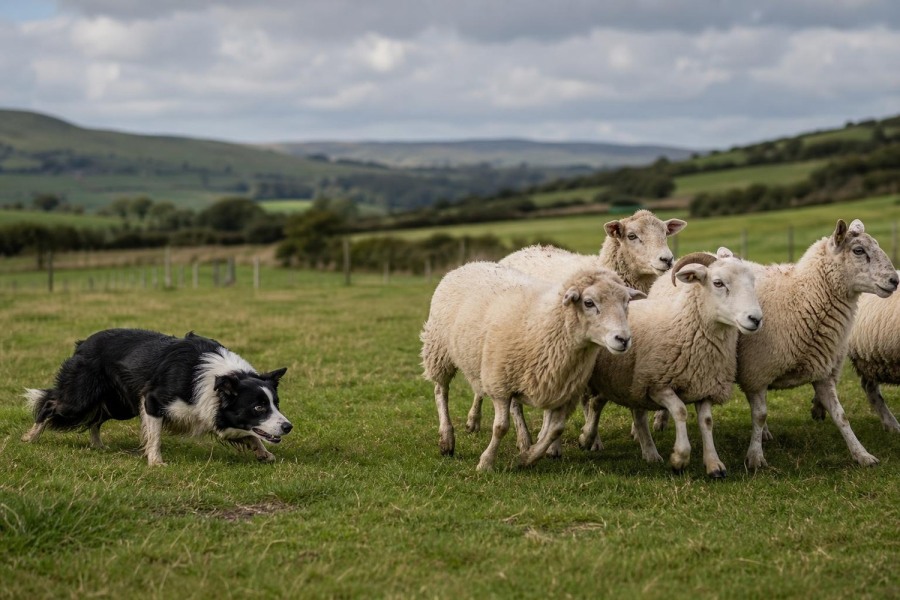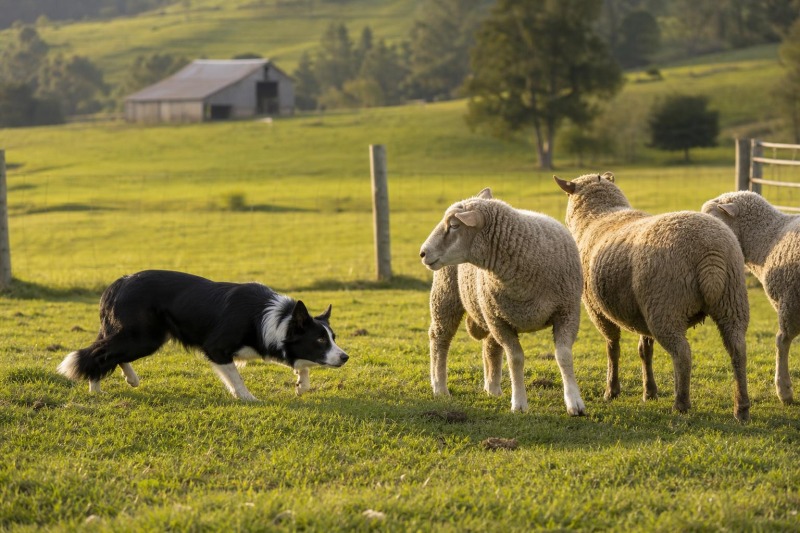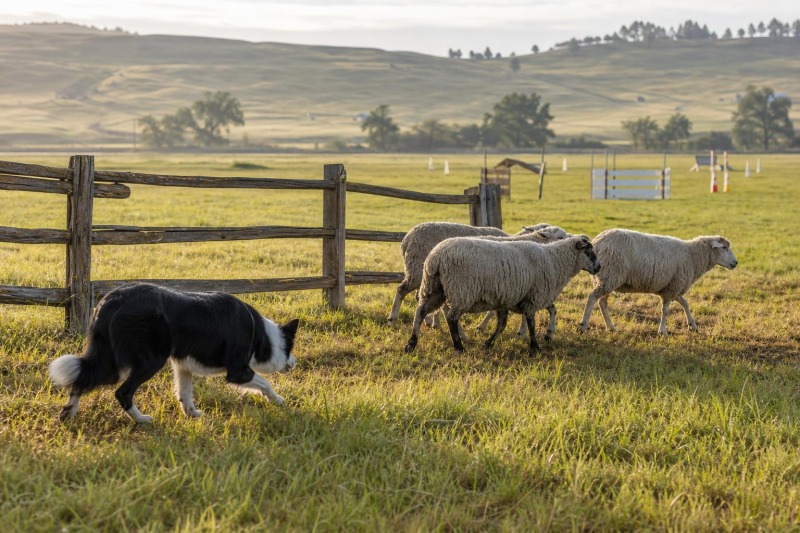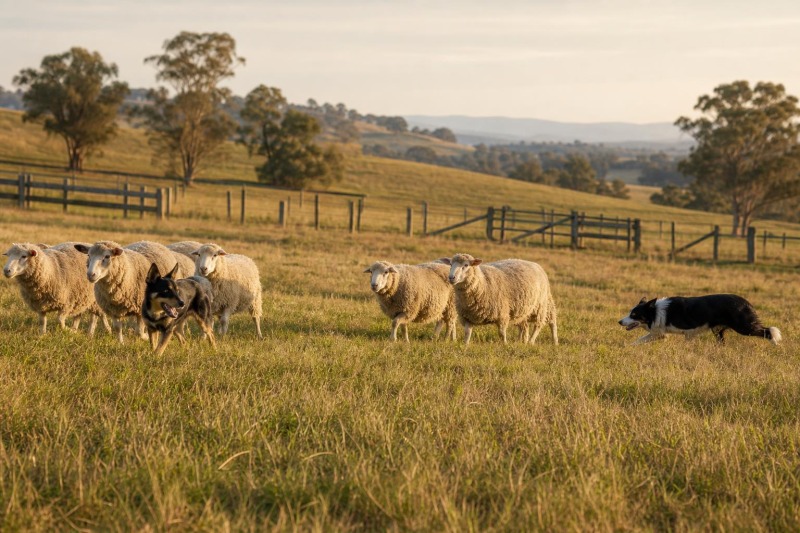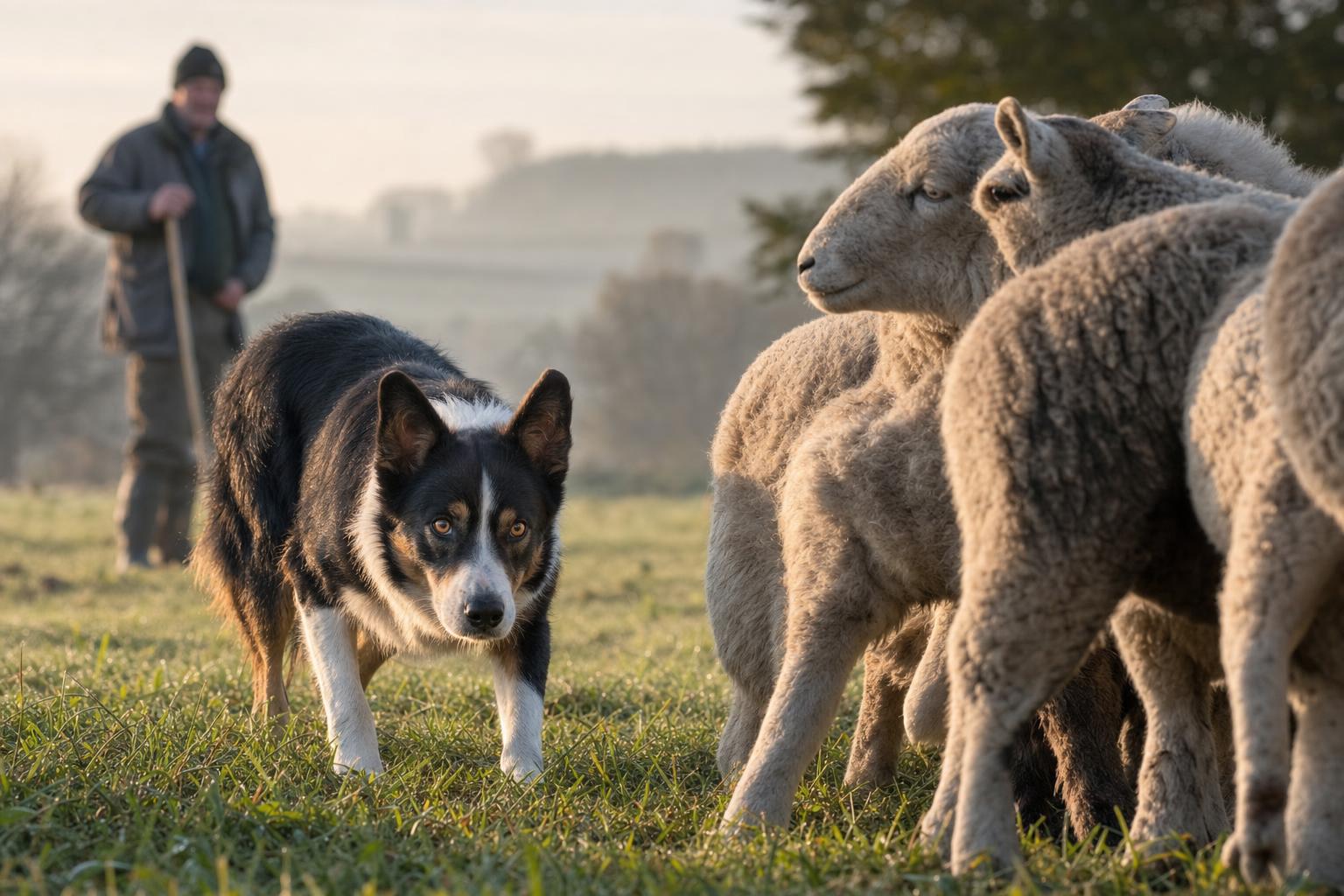
Eye is part of the way some stock dogs apply pressure and hold attention. It can help settle movement or become restrictive if the dog cannot release it. The handler needs to judge its effect on both dog and stock.
For dog owners interested in herding dogs, understanding eye contact is more than a curiosity. It opens the door to understanding instinct, training, and the way these dogs communicate with both livestock and people. Eye contact in herding dogs is not random. It is part of a deeply rooted working language, and when you learn to read it, the breed starts to make a whole lot more sense.
Why Eye Contact Matters in Herding Work
In practical herding, eye contact serves two jobs at once. First, it allows the dog to study and predict movement. Second, it applies pressure. A good herding dog does not always need to bite, bark, or crash into stock. Often, the dog can influence direction simply by locking on, holding a line, and making animals believe there is no easy path except the one the dog is allowing.
Old-timers in the stock world have long talked about a dog having “strong eye” or “loose eye.” That phrase speaks to how intensely the dog uses its gaze while working. Some dogs, especially certain Border Collies, can hold stock with a stare so powerful it seems to pin animals in place. Other herding breeds work more upright and with less fixation, relying on movement, position, and confidence more than a hypnotic gaze. Neither style is automatically better. It depends on the breed, the kind of stock, and the handler’s needs.
That is one reason eye contact in herding dogs should always be discussed in context. It is a tool, not the whole toolbox.
The Difference Between Eye and Staring
There is a fine line between useful eye contact and fixation that gets in the way. In a well-balanced herding dog, eye supports movement. The dog reads stock, applies pressure, then adjusts. In a dog that becomes too sticky, the stare can slow everything down. The dog may crouch too much, creep instead of cover ground, or get so locked onto stock that it stops listening to the handler.
This matters for owners because what looks dramatic and impressive in a field trial clip can become frustrating in daily training. A dog with excessive eye may struggle to release pressure, may become obsessive about movement, and may carry that same intensity into cars, kids, joggers, or other dogs. Good training shapes instinct into usable work. It does not simply admire the instinct and hope it behaves itself.
How Herding Dogs Use Eye Contact With Livestock
Livestock are sensitive to pressure, and eye contact is one of the cleanest forms of pressure a dog can apply. When a herding dog squares up and fixes its attention, stock notice. Sheep especially tend to key in on that posture. The dog is communicating without noise, saying in effect that space is occupied and movement will be challenged.
What makes this so fascinating is how subtle it can be. A dog shifts its head a few inches, softens or hardens its gaze, and a small group of sheep changes course. To someone new to herding, it can seem like magic. To someone who has spent years around dogs and stock, it looks more like a conversation taking place at a distance.
That conversation is built on balance. The dog must look at the stock, but also feel the stock. It must know when eye contact is enough and when motion needs to follow. A young dog often learns this the hard way. It stares too long, the stock break, and the whole lesson becomes a spinning mess of bad angles and flying hooves. With maturity, the dog learns timing. That is where instinct turns into craft.
Eye Contact Between Herding Dogs and Handlers
Eye contact in herding dogs is not only about livestock. It is also a major part of the relationship between dog and handler. Many herding breeds are naturally tuned in to human movement, expression, and body language. They check in often. They watch hands, shoulders, hips, and feet. They notice when your attention drifts. They notice when your tone changes. In many cases, they notice before you do.
This sensitivity is one of the reasons herding dogs can be such rewarding companions. The bond feels active. The dog is engaged, present, and ready for instruction. But that same attentiveness can become stressful if the owner sends unclear signals. A herding dog that depends on visual information can become anxious when rules are inconsistent or when a handler is tense and unpredictable.
In training, purposeful eye contact helps create steadiness. A dog that can briefly look to its owner for direction is easier to manage in distracting environments. That does not mean asking for a constant stare at your face. In fact, too much emphasis on nonstop eye contact can create a brittle dog that waits for cues instead of thinking. What you want is thoughtful engagement, not dependence.
Reading the Dog’s Expression
Not all eye contact means the same thing. A calm check-in during training is different from the hard, unblinking look of a dog trying to control motion. A soft expression often means the dog is connected and ready. A fixed, intense expression may mean arousal is climbing and instinct is taking over. Owners who learn these differences can step in early, before excitement turns into chasing, nipping, or frantic behavior.
That kind of reading comes with time, but it is worth developing. Herding dogs are honest animals. Most tell you exactly what they are preparing to do if you know how to look.
Breed Differences in Eye Contact
When people talk about eye contact in herding dogs, Border Collies usually enter the conversation first, and for good reason. Many are famous for their strong eye and crouching style. But the herding group is broad, and not all breeds work that way. Australian Shepherds, Australian Cattle Dogs, German Shepherds, Belgian Shepherds, and other pastoral breeds often use more upright movement and less prolonged visual pressure.
That does not mean they are less capable. It means they solve the job differently. Some dogs gather with finesse. Some drive with authority. Some use a measured stare, while others rely on bold movement, grip, or endurance. Owners should be careful not to judge every herding breed against one narrow image of what stock work looks like.
This is especially important for families choosing a dog. A person who falls in love with the intense eye of a trial-bred Border Collie may not be prepared for the mental pressure that comes with that level of sensitivity. Another owner may want a more versatile farm companion with a different style of stock sense. Knowing how eye contact appears across breeds helps match the dog to the home and the work.
Training Eye Contact the Right Way
In obedience and daily life, teaching a herding dog to offer eye contact on cue can be useful. It builds focus, helps interrupt distractions, and creates a clean line of communication. These dogs already watch. The goal is not to manufacture attention. The goal is to channel it.
Short, well-timed sessions work best. Ask for a brief look, reward it, and move on. Then build that skill into practical settings like leash walking, waiting at gates, or pausing before sending the dog to a task. Keep the dog thinking. Keep the dog balanced. If you turn every interaction into a demand for facial focus, many herding dogs will either sour on the game or become overly dependent on you for every little decision.
For working dogs, the balance is even more delicate. On stock, the dog must watch the animals, not your face. A trained dog should be able to check in, take direction, and return to work. That back-and-forth is the hallmark of a well-handled herding dog.
When Eye Contact Becomes a Problem
Because herding dogs are so visually oriented, eye contact can tip into trouble when instinct spills into the wrong setting. Some dogs stare at children running through the yard. Some fixate on bicycles, squirrels, or other dogs. In multi-dog homes, prolonged direct staring can also create social tension. What begins as interest can turn into control, and control can turn into conflict.
If you see this pattern, do not dismiss it as the dog merely being smart or intense. Redirect it early. Give the dog structured work, clear obedience, and outlets that engage both body and mind. A herding dog without guidance will often invent a job, and that self-appointed job is not always one you want.
Many behavior problems in herding breeds begin with unmanaged attention. The dog locks on, rehearses the behavior, and gets better at it every week. Owners who step in early usually have a much easier road than those who wait until the dog is fully committed to the habit.
The Bond Behind the Look
At its best, eye contact in herding dogs is a sign of partnership. In the field, it is part instinct, part strategy, and part inherited craft. In the home, it is often a window into the dog’s remarkable awareness of people. These dogs were shaped to notice, to anticipate, and to respond with precision. That is why they can feel so uncanny at times, as if they are reading your next move before you make it.
For owners, the lesson is simple. Respect the look. Learn when it means connection, when it means pressure, and when it signals a problem building. A herding dog’s eyes are often the first clue to what the mind is doing. If you pay attention, they will teach you a great deal.
And out in the pasture, when the light gets low and the sheep finally drift where they ought to go, you can see just how much can be said without a sound. A handler gives a quiet word. The dog eases off, then sharpens again. The stock turn. The gate opens. Work gets done. In that moment, eye contact is not just behavior or breed trivia. It is one of the oldest working conversations between dog, livestock, and human, and it still holds its power today.