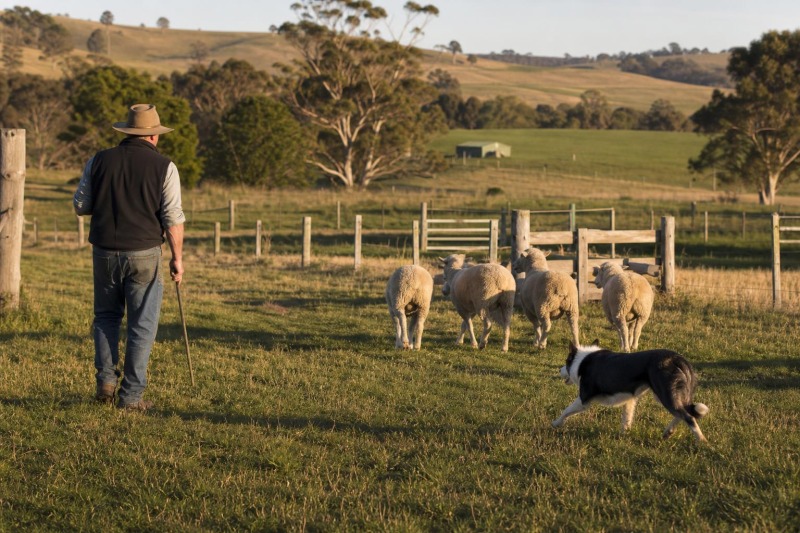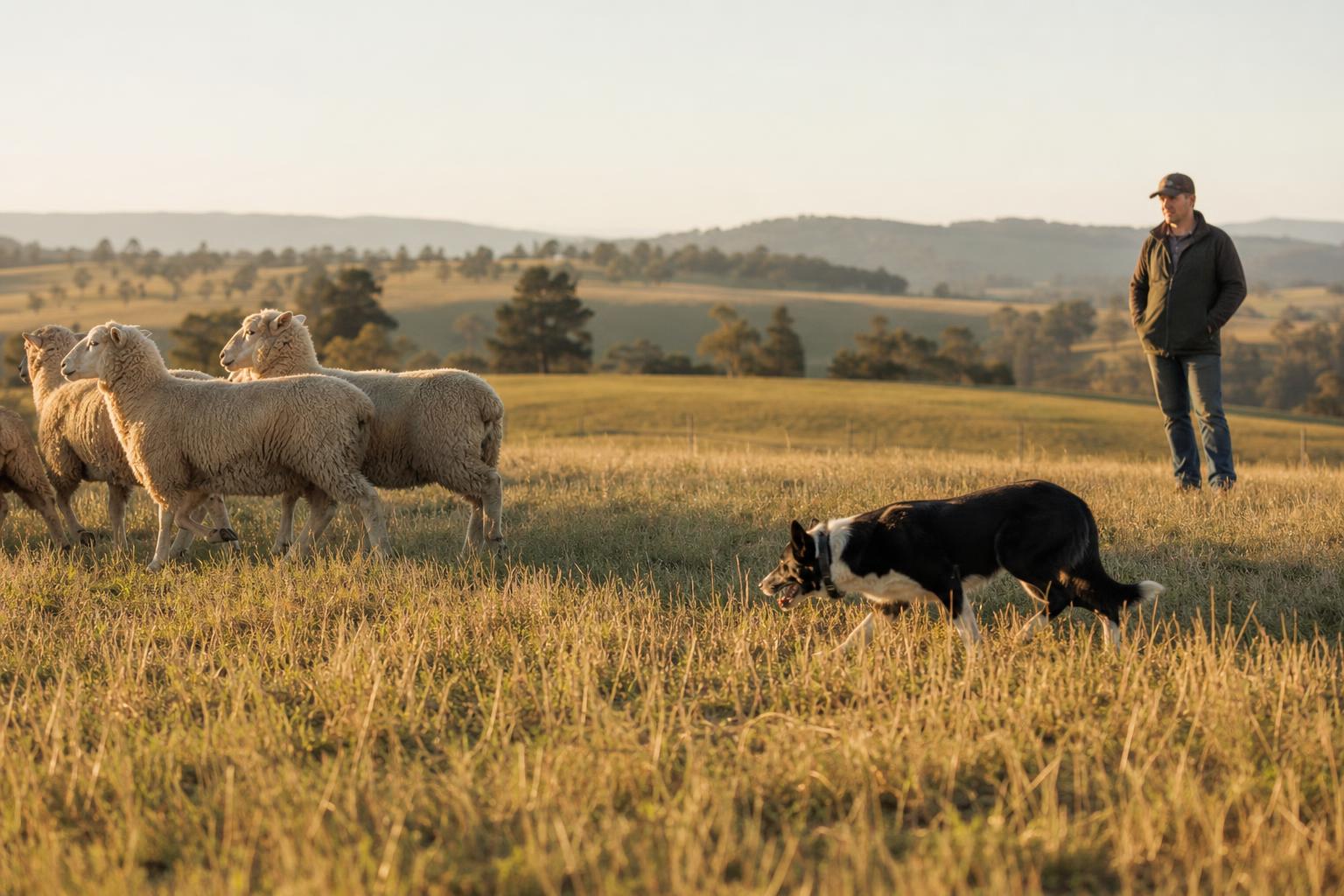
Balance is the position from which a dog can influence stock toward a useful place. It changes as animals and handler move. Teaching it well involves observing that movement rather than holding the dog to one fixed point.
Balance is one of those ideas that sounds simple until you try to teach it. In plain terms, balance is the dog’s natural position on the opposite side of the livestock from the handler. When the dog finds that spot, the stock tend to settle between dog and person. Good balance gives you control without constant correction. It is the foundation under gathering, fetching, holding pressure, and later, more advanced work in pens, alleys, and open country.
Teaching that skill is less about force and more about timing, setup, and patience.
What Balance Really Means in a Herding Dog
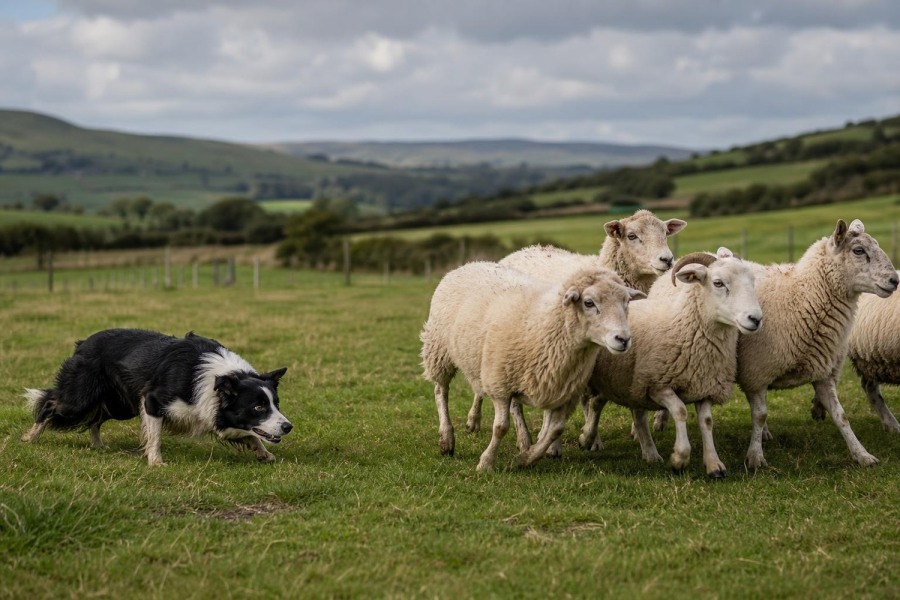
When people are new to working dogs, they sometimes picture balance as a fixed point, like a mark on the ground the dog needs to hit. In truth, it is always shifting. As you move, the livestock move, and the dog must adjust. A balanced dog arcs naturally to keep the stock between the two of you. Instead of diving straight in, the dog begins to shape its movement with purpose. That is when the work starts looking clean.
A dog with balance does not just stop at the top of the stock and freeze. It reads where the pressure is and where the escape route lies. If a ewe drifts left, the dog feels it and eases to cover. If the flock tries to break back, the dog is already there to hold the line. You can almost see the dog’s mind working through the stock rather than against them.
This matters because livestock teach honesty fast. Sheep and cattle do not care about your training plan if the dog is in the wrong place. They will split, bolt, bunch up, or run through pressure. Balance is what lets the dog influence movement instead of causing panic. Once that clicks, everything else gets easier.
Start With the Right Stock and the Right Pen
If you want to teach balance well, stack the deck in your favor. Quiet, dog-broke stock are worth their weight in gold. A green dog on wild sheep often learns bad habits because the whole lesson turns into a footrace. The dog gets excited, the stock get flighty, and nobody is learning much except how to make a mess in a hurry.
A round pen or small training paddock is often the best classroom in the beginning. The enclosed space helps stock stay together and gives the dog more chances to come around to balance without losing the group. Big fields have their place later, but early on they can expose too much weakness too soon. A young dog that cannot yet control its speed or path may simply scatter stock and rehearse bad moves over and over.
Choose sessions when the dog is fresh and your own patience is intact. Herding dogs feel every bit of tension in a handler. If you go in frustrated, rushed, or eager to prove something, the dog often mirrors that pressure. Calm, short sessions beat long, chaotic ones every time.
Let Instinct Show Before You Shape It
Some dogs offer balance almost the first time they see stock. Others need more help. In either case, let the dog show you what instinct is there before you start stepping in too much. Watch how the dog approaches. Does it flank naturally around the group? Does it dive in tight? Does it grip from nerves, or does it swing too wide and avoid pressure?
These early reads matter. A dog that comes in with too much eye may need encouragement to keep moving. A loose, pushy dog may need steadier control. Good trainers do not use the same recipe for every dog. They read the dog in front of them and teach from what they see.
How to Teach the Dog to Find Balance
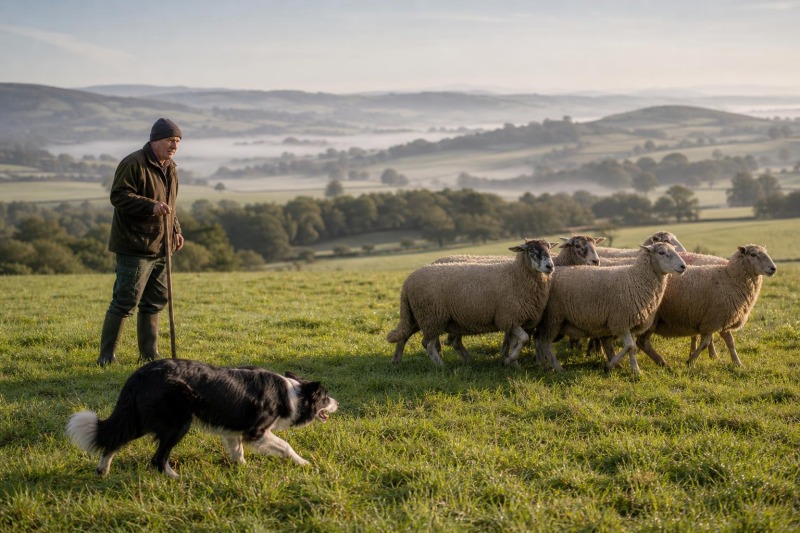
The cleanest way to teach balance is to use your position as the anchor point. As the stock move around the pen, step in calmly so the dog has a reason to come around to the opposite side. When the dog finds that place, release pressure. That release is the lesson. The dog learns, often without many words, that the right answer feels easier.
One of the biggest mistakes handlers make is talking too much and moving too late. If you bark commands every second, the dog starts keying off noise instead of stock. If you wait until the dog is already wrong by ten yards, your correction comes after the lesson is lost. Good balance training is quiet and timely. A step here, a block there, a soft flank command when needed, and then let the stock teach.
Imagine the livestock as the face of a clock, with you at six o’clock. The dog needs to come to twelve. That picture helps beginners, but real work is more fluid. The dog may need to cover ten o’clock one moment and one o’clock the next. What matters is that the dog begins to seek the point of control opposite you instead of charging straight at the stock’s shoulder or heel.
When the dog overshoots balance, step to influence it back. When it slices in too tight and pushes stock past you, block that line and give the dog room to come around. The lesson is not to punish motion. The lesson is to shape motion until it becomes useful.
Use Flank Commands Carefully
Flank commands can help a dog discover balance, but they should not become a crutch. If every move the dog makes depends on you telling it exactly where to go, then the dog is not learning feel. It is learning obedience without understanding. That may look neat in a drill, yet fall apart the first time stock change direction on their own.
Use your come-bye and away commands to guide the dog when needed, especially if it sticks on one side or keeps cutting through the middle. But the long-term goal is a dog that starts reading balance for itself. The command should point the dog toward the answer, not replace the dog’s judgment.
Reading Pressure and Timing the Correction
The heart of balance training is pressure. The dog pressures stock. You pressure the dog. The stock pressure both of you in return with every shift and break. A useful dog learns how much is enough. Too little pressure and stock drift off. Too much and they blow out. Balance is where pressure is applied with thought.
This is where field sense matters more than fancy language. If the dog speeds up and the stock lift their heads, bunch, and start searching for an exit, you are near the edge. If the dog slows, gives them room, and they settle into a calm line between you, that is the feel you want. Reward that moment. Let the dog hold it. Do not rush to interrupt just because you are eager for the next step.
Correction should come early and with purpose. A quiet “there,” a step into the dog’s path, or a brief stop can do more good than a loud scolding after the stock have already scattered. Dogs learn from clean consequences, not from confusion. If your correction is late, harsh, or inconsistent, balance gets harder to understand.
Common Problems When Teaching Balance
Some dogs grip because they feel they are losing control. Others circle endlessly and never commit to pressure. Some become sticky at balance and stop every time they reach it, afraid to move the stock. These are common problems, and none of them mean the dog lacks potential.
A gripping dog often needs calmer stock, tighter supervision, and shorter sessions. A dog that runs too wide may need support to come in and hold pressure without fear. A sticky dog may need encouragement to walk up and learn that balance is not a stopping point forever, but a place from which useful movement begins.
Handlers create their own share of trouble too. Many step backward without realizing it, inviting stock to drift and forcing the dog to overcorrect. Others crowd the stock so much that the dog has no room to find the proper line. Sometimes the best thing you can do is slow your feet, lower your voice, and let the picture settle.
Know When to End the Session
Good stock work has a rhythm to it. There is a moment in a session when the dog suddenly gives you a taste of the right answer. It may be only ten seconds of true balance, but it is there: the stock calm, the dog thoughtful, the line clean between you. That is often the time to quit. End on understanding rather than drilling until the dog is mentally spent.
Leave the field with the dog wanting more and the picture still clear in its head.
Turning Balance Into Practical Farm Work
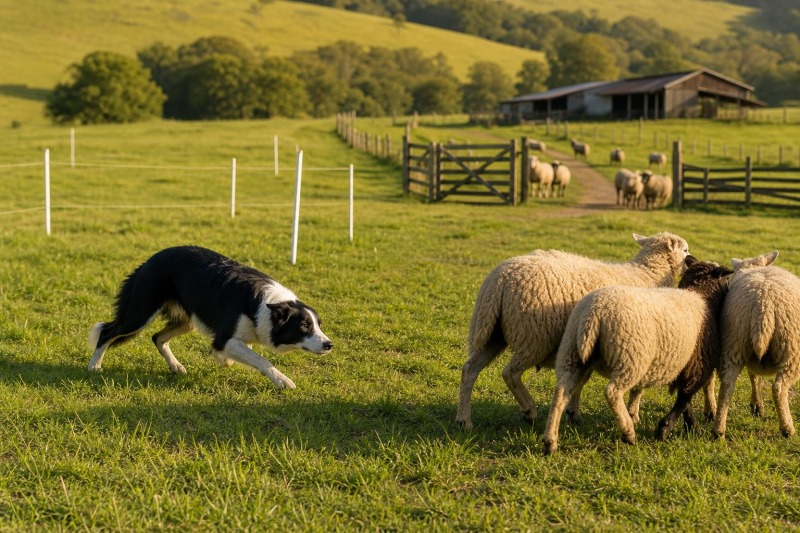
Once a dog begins to understand balance in a small pen, you can stretch the lesson into real work. Move to a larger paddock. Ask for a longer gather. Walk with the stock and let the dog adjust as your own position changes. This is where training begins to feel less like an exercise and more like a working partnership.
On a cool morning with the light coming over the fence line, there is not much prettier than watching a young dog begin to cover stock with purpose. The dog starts to bend naturally with the group, hold the bubble, and keep them lined to you without fuss. That is when you know balance is becoming part of the dog, not just something imposed from outside.
From there, you can build toward gates, penning, sorting, and driving. But none of that will be reliable without balance underneath it. A dog that understands where to be can solve problems. A dog that only knows motion creates them.
Teaching a herding dog to balance livestock is not about overpowering instinct. It is about refining instinct until the dog can use it with judgment. The best dogs make it look natural, almost effortless, but that ease comes from careful training, good stock, and many honest repetitions.
If you stay patient, read the stock, and give the dog a fair setup, balance will come. Some dogs learn it fast. Others need time. Either way, the lesson is worth every careful session because balance is what turns raw desire into real usefulness. And when a dog finally finds that right place on its own, calm and steady with the stock settled between you, you are not just seeing training work. You are seeing the beginning of a true stock dog.