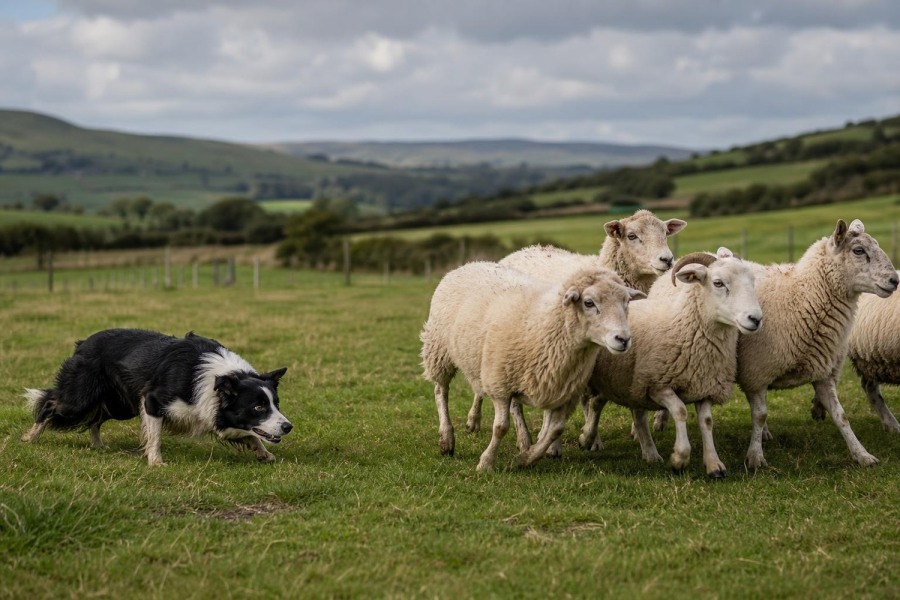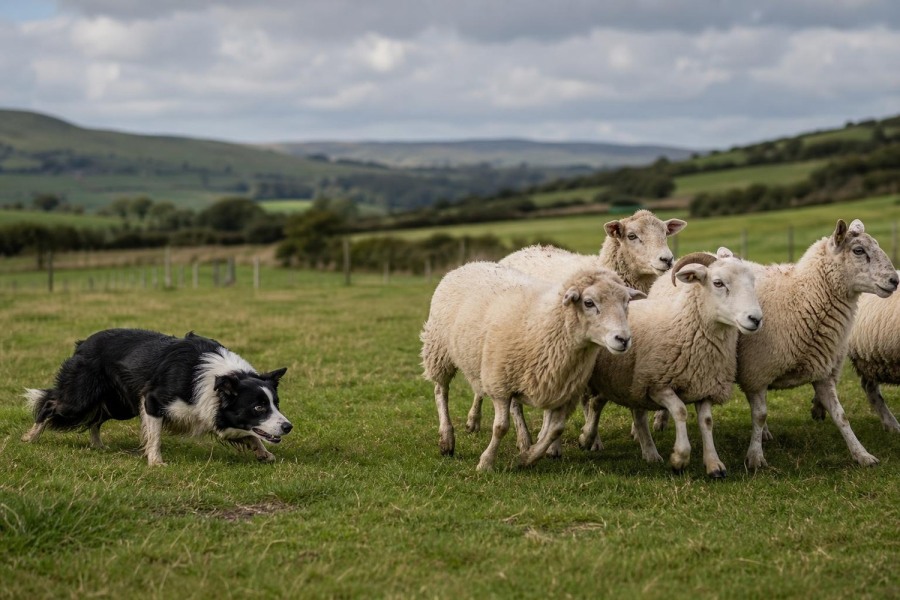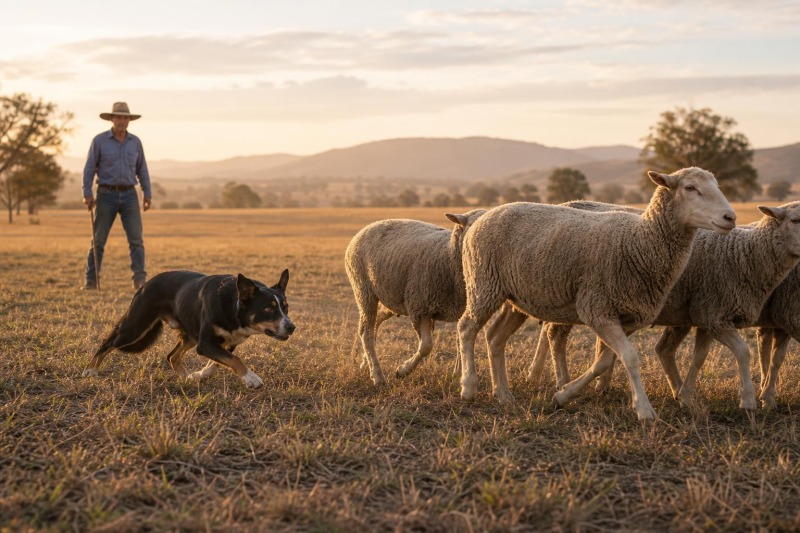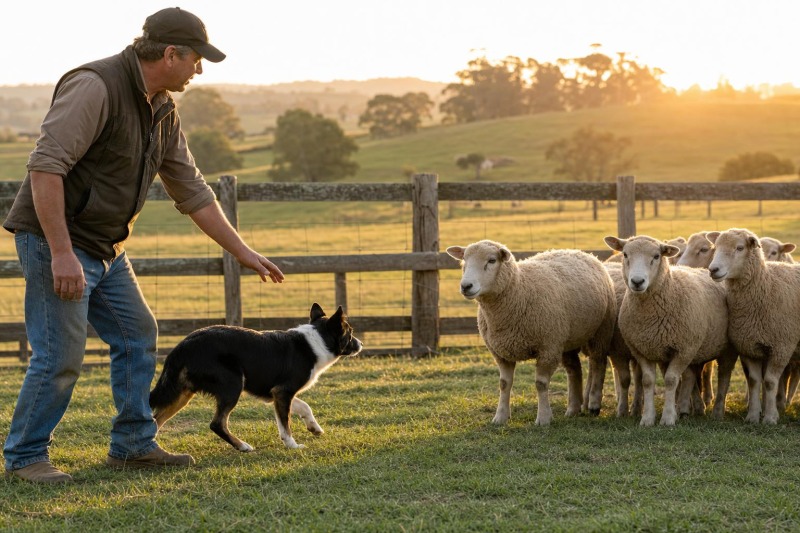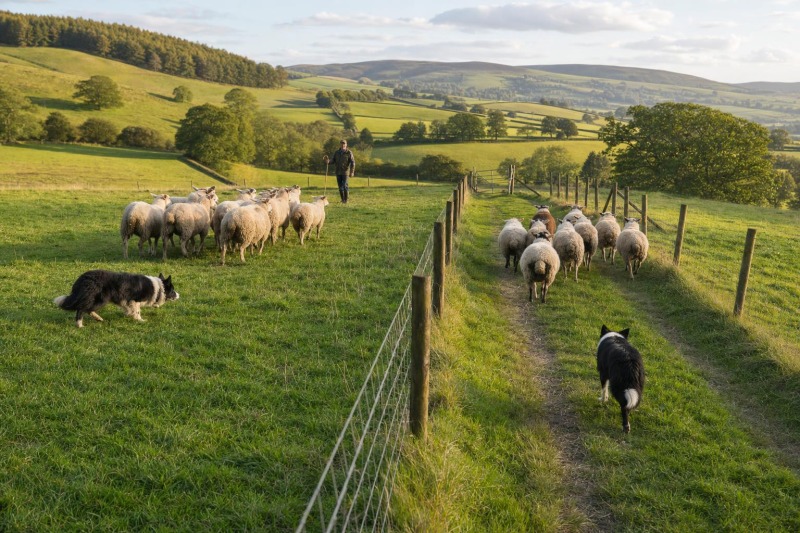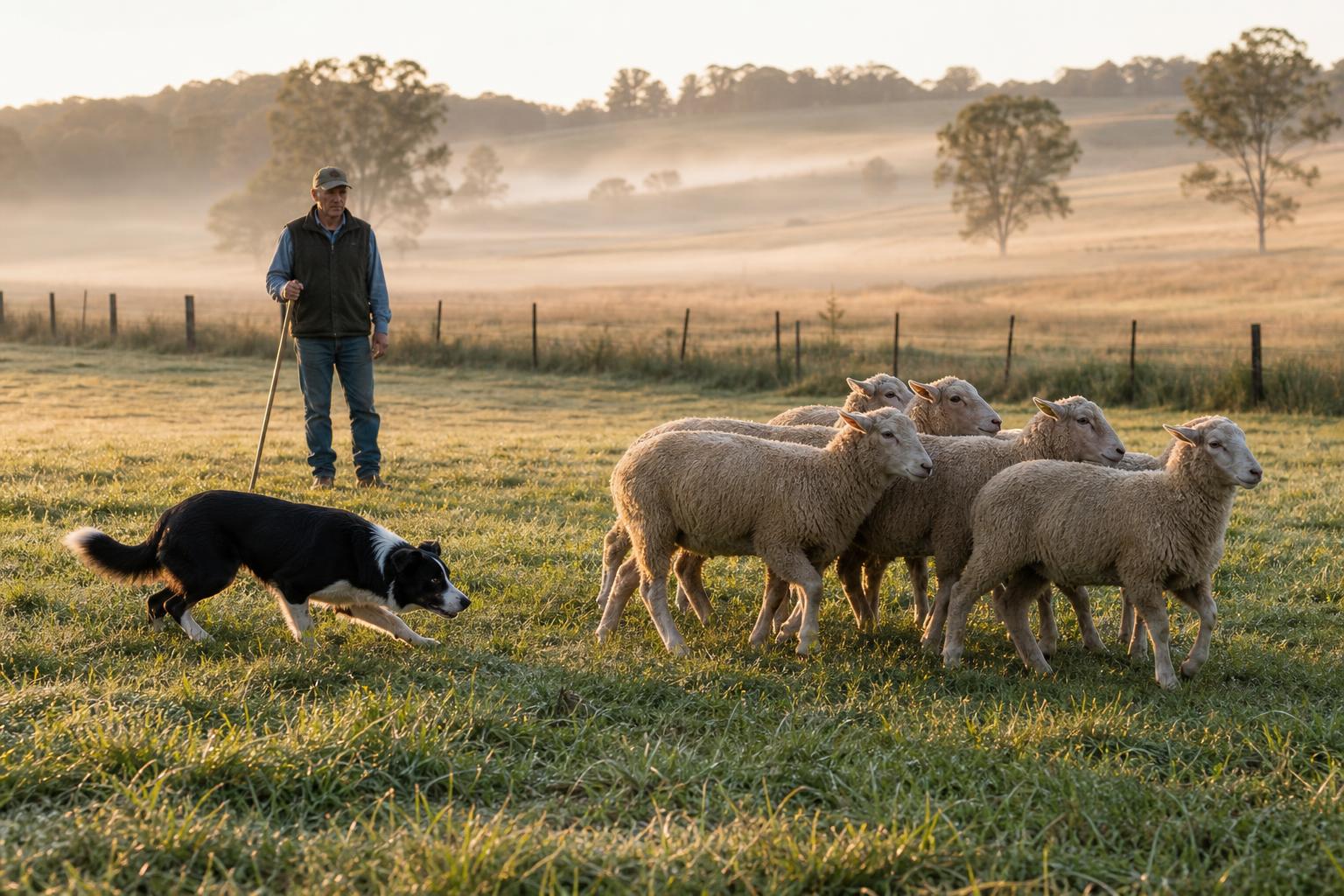
Stock-dog training develops control around animals that have their own reactions and experience. The dog’s position, pace, and response to the handler all matter. Progress should be judged by useful movement of stock rather than speed through a checklist.
Training herding dogs is not about forcing talent into a dog that does not have it, and it is not about letting natural ability run wild. It sits somewhere in between. The best dogs are shaped carefully, with their instincts polished instead of crushed. For dog owners interested in herding breeds, that distinction matters. Whether you have a Border Collie, Australian Shepherd, Australian Cattle Dog, Kelpie, or another working breed, the road from promising pup to useful stock dog follows the same broad truth: control must grow alongside desire.
Understanding the Difference Between Instinct and Training
Many people assume a herding dog either has it or does not. That is partly true. A dog born without working instinct will never become a proper stock dog just because he learned commands in the yard. Yet instinct alone can also make a wreck of a dog. A youngster that grips too hard, rushes stock, splits a group, or ignores the handler may still have excellent natural ability. He simply has not learned how to use it.
A trained herding dog learns to gather, drive, hold pressure, release pressure, and move stock calmly where the handler needs them to go. That takes repetition and thoughtful handling. The goal is not frantic movement. The goal is useful movement. A finished dog reads livestock, keeps them together, and stays responsive even when the work gets tight and fast.
Why Early Evaluation Matters
Not every pup matures the same way. Some show power early. Others look soft as youngsters and develop into steady workers later on. Early exposure can tell you a great deal about confidence, eye, balance, biddability, and bite. It can also reveal trouble signs such as fear of stock, uncontrolled chasing, or complete indifference. Good trainers pay attention without rushing to label a young dog too soon. The first sessions should be less about demanding performance and more about seeing what the dog offers naturally.
Starting with Foundation Before Livestock Work
A herding dog does not need fancy obedience, but he does need useful obedience. A reliable recall, a stop, a willingness to settle, and comfort working with the handler are worth their weight in feed. When stock are involved, small mistakes get expensive in a hurry.
Before serious livestock training begins, the young dog should understand that the handler is part of every job. That does not mean dulling initiative. It means building a working conversation. The dog needs to accept guidance, recover from correction, and return to a thinking state after excitement. Time spent on these basics pays off later when pressure rises and the stock start testing everyone in the field.
Building the Right Kind of Confidence
Confidence in a herding dog is not just boldness. Real confidence is steadier than that. It shows in a dog that approaches stock without panic, takes pressure without folding, and can be redirected without blowing apart. Short sessions, calm repetition, and the right livestock help build that kind of confidence far better than overfacing a young dog in a large field with wild sheep.
The First Introduction to Stock
The first sessions on livestock should be controlled, simple, and short. A round pen or small training paddock is often the right place because it helps the handler influence both dog and stock without too much chaos. Quiet, dog-broke sheep or light cattle can make all the difference. Bad livestock can create bad habits in a hurry, and nervous stock can make a promising young dog look foolish.
At this stage, you are looking for the dog to engage, circle naturally, and begin to find balance. Balance is one of the most important concepts in herding dog training. It is the dog’s natural tendency to position himself opposite the handler so the stock stay between them. A dog that finds balance starts making sense of the work. Instead of chasing movement for its own sake, he begins controlling movement with purpose.
Handlers often talk too much in early sessions. Sometimes the best thing you can do is let the stock teach. If the dog rushes, the sheep will break. If he widens and settles, they will stay together. Good livestock can reward right behavior better than a dozen shouted commands. The trainer’s job is to prevent wrecks, shape natural ability, and keep the dog from rehearsing bad habits.
Teaching Stop, Flanks, and Control
Once the dog is keen and consistently engaging stock, control becomes the next layer. The stop is the command that saves stock, saves dogs, and saves a training session from getting western. It does not need to be flashy, but it must become dependable. At first, many young dogs stop only because the handler steps into pressure or blocks their path. Over time, that stop turns into a command the dog will take at distance.
Flanks, usually the dog’s movement to the left or right around stock, are then shaped from what the dog already offers. Some pups naturally cast out wide. Others cut in too tight and need help learning space. This is where patience shows its value. If you micromanage every stride, you create hesitation. If you never correct wrong lines, you create sloppiness. Good handling lives in the middle ground.
Reading Pressure the Way Stock Dogs Must
A finished stock dog understands pressure almost like a living thing. He knows when to step in, when to back off, and how to move stock without blowing them up. That lesson cannot be taught in one afternoon. It comes through many small experiences. A dog learns that too much pressure scatters a group, while not enough lets stock drift away. He learns that different animals require different approaches. Broke ewes, fresh lambs, stubborn cattle, and flighty yearlings all ask different questions of the same dog.
This is where the talented dogs begin to separate themselves. The great ones do more than obey. They think. They feel the stock and adjust in motion, often before the handler fully sees what is coming. Training builds that judgment by exposing the dog to real situations without overwhelming him.
From Gathering to Driving
Many young herding dogs naturally prefer gathering, bringing stock to the handler because it fits their instinctive balance point. Driving, where the dog pushes stock away from the handler in a controlled line, is often harder to teach. It asks the dog to work against some of his natural tendencies and trust direction more fully. That trust takes time to develop.
Driving starts in short, manageable pieces. The dog is asked to hold a line, accept guidance, and resist the urge to swing back around to the head. Handlers who rush this stage often end up with a dog that slices, darts, or constantly loses the line. A finished stock dog can gather with style, but he also drives with purpose. On a working farm or ranch, that kind of versatility is what makes a dog genuinely useful.
Finishing Work on Real Stock
There comes a point when the dog must leave the training pen and learn the truth of real jobs. Sorting in tight spaces, penning, shedding, moving stock down lanes, and gathering from larger fields all put polish on a dog if the foundation is there. This is where rough edges show. A dog that looked sharp in controlled sessions may struggle when the work gets messy. That is normal. Finishing a stock dog means proving reliability beyond the practice setup.
He should be calm at the gate, steady in close quarters, and willing to take correction without losing heart. He should hold stock with authority, not noise. And when things get lively, he should bring order rather than confusion.
Common Mistakes in Herding Dog Training
Most setbacks come from going too fast, drilling too long, or expecting maturity before the dog has it. Long sessions can sour a young dog. Constant correction can make him sticky and unsure. Too little correction can turn enthusiasm into chaos. Another common mistake is working unsuitable livestock that either terrorize the dog or teach him to grip and fight. Good training stock are worth seeking out because they help the dog learn fairness and feel.
It also helps to remember that every herding breed, and every individual within a breed, brings a slightly different style. Some dogs work with strong eye and quiet pressure. Others are looser, tougher, or more upright in their movement. Training should respect what the dog is bred to do while still shaping him into a controlled worker. Trying to force every dog into the same mold usually wastes talent.
The Handler Matters as Much as the Dog
A stock dog can only rise so high if the handler is inconsistent, emotional, or late with timing. Dogs working livestock are reading more than stock. They are reading us. A calm handler gives the dog room to think. A frantic handler creates static. If you want a steady dog, become a steadier presence yourself.
That may be the least glamorous truth in all of herding dog training, but it is one of the most important. Finished dogs are not produced by instinct alone, nor by commands shouted across a pasture. They are developed through fair repetition and a partnership built on trust. The dog brings the inherited spark. The handler shapes it into something useful.
From Promise to Partnership
Watching a young dog turn the corner is one of the finest sights in working dogs. One season he is all fire and mistakes. The next, he begins to settle into his work, taking the right flank, holding the pressure, and moving stock with a kind of quiet authority that cannot be faked. That is when you know instinct has been guided into craft.
For dog owners interested in herding dogs, the journey from instinct to finished stock dog is demanding, but it is deeply rewarding. Done right, training preserves the dog’s natural heart while giving it shape and usefulness. The best stock dogs are more than talented animals. They are honest partners in the field, reading stock, answering the handler, and doing hard work with intelligence and grit.